What Exactly Was a Courtesan?
You might hear the word "courtesan" thrown around in movies or novels, but what did it actually mean back then? A courtesan was typically a high-class mistress or female companion who accompanied men of wealth and influence. Unlike ordinary sex workers, courtesans often operated within aristocratic circles, possessing intelligence, education, and significant financial independence. They were not just companions; they were often power brokers who influenced politics through the ears of kings and queens.
Why Do These Scandals Still Matter Today?
We love to read about them because they show us how much-and how little-has changed. The rise and fall of powerful women offers a blueprint for power dynamics that we still see in politics and business today. Understanding these stories helps us separate fact from the gossip that historians wrote centuries later. Plus, there's something fascinating about the sheer audacity some of these women displayed when facing public humiliation.
Which Scandals Defined the Italian Renaissance?
- The Borgia Family: While Lucrezia Borgia is often labeled simply as a noblewoman, rumors swirled constantly about her intimate connections being used as political leverage against rival families like the Sforzas.
- Cecile Ghisi: In 15th-century Italy, poets claimed she could outsmart any man in conversation, using wit to secure protection that made her untouchable by law.
- Pope Alexander VI: His children's marriages were strategic moves that often sparked violent feuds, blurring the line between religion, family, and illicit relationships.
The Italian city-states were playgrounds where art met sin. Women here used their beauty and brains to bypass laws restricting female property ownership. The result was a generation of influential women whose names appeared in diaries alongside popes and dukes.
How Did the French Court Handle Notorious Mistresses?
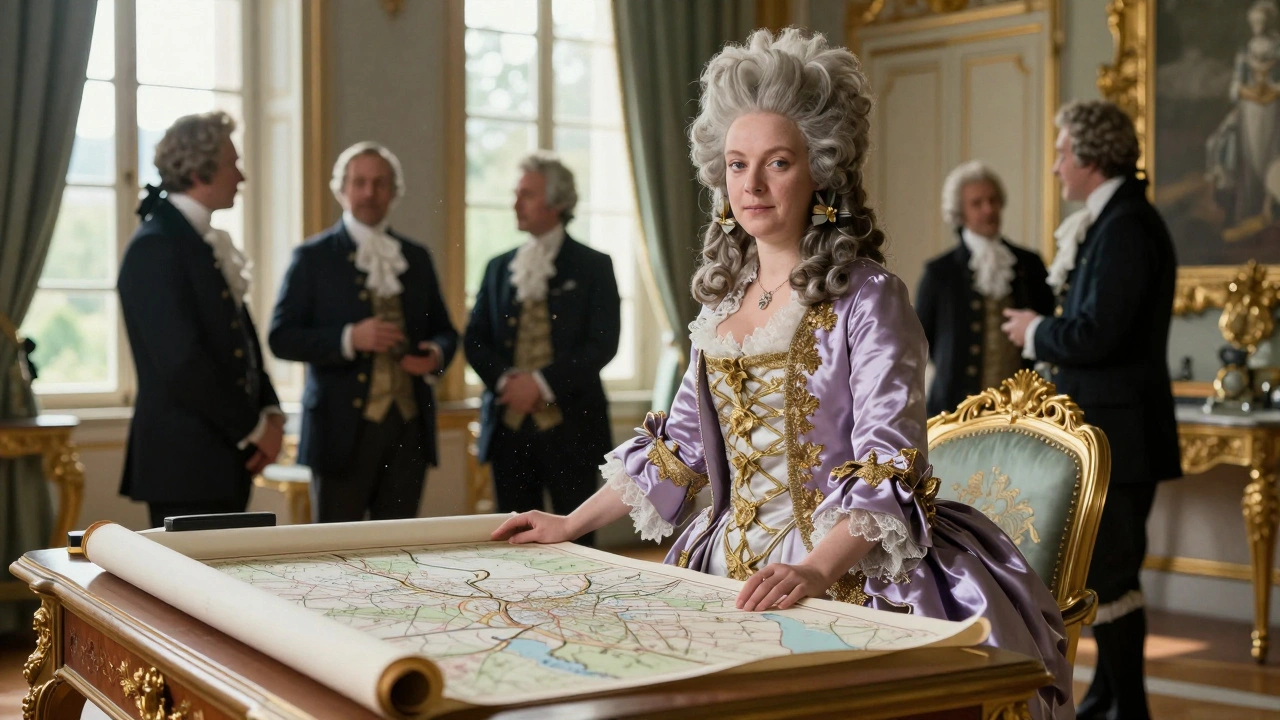
France set the bar high for drama during the reigns of Louis XIV and Louis XV. The royal court at Versailles became a stage where every gesture had meaning. When a woman gained too much favor with the King, her enemies watched for missteps.
Madame de Pompadour is the quintessential French mistress known for her patronage of the arts and ability to sway King Louis XV. Her greatest scandal wasn't just sleeping with the King, but allegedly blocking his political decisions to protect her own allies. She commissioned artists, advised generals, and even dictated foreign policy, which terrified the old monarchy. Eventually, the pressure became too great, proving that even immense charm couldn't shield someone from political fallout forever.| Name | Era | Primary Power Source | Fate |
|---|---|---|---|
| Ninon de l'Enclos | French Baroque (17th Century) | Intellectual Salons | Retired rich and respected |
| Nell Gwyn | Stuart England (1660s) | Theatrical Career | Penned a dowry for royal children |
| Madame de Pompadour | French Classical (1740s) | Royal Favor | Died in office, remained beloved |
What Happened to the British Royal Favorites?
Moving to London, the 18th century offered its own theater. The Regency era, though later, carried echoes of earlier times. We remember the Lady Castlemaine, mistress to Charles II. Their affair was an open secret across the streets of Whitehall. Charles II openly favored her despite having a lawful wife. He gifted her massive estates and titles that cost the treasury millions.
This kind of generosity backfired eventually. The Parliament got angry. Public tax burdens grew while a foreign-born mistress collected vast rents. This tension fueled revolutions and political purges. You see how personal relationships directly led to national budget crises? The money spent on gifts for lovers was money stolen from infrastructure and military funding. It was the early version of modern corruption scandals.
Did These Women Have Any Real Education?
Absolutely. Most successful courtesans were educated far beyond typical women of their time. To maintain relationships with princes and diplomats, they needed to speak Latin, debate philosophy, and understand economics.
- Language Skills: Many spoke four or five languages fluently.
- Patronage: They hosted galleries, funded playwrights, and protected artists.
- Literacy: They corresponded with Voltaire, Shakespeare, and Machiavelli's successors.
If they didn't know their subjects well, they would lose status immediately. Intellect was their safety net. Once a client found they could not converse on politics or art, they replaced her quickly. The ones who stayed at the top were effectively running a small empire of intellectual capital.
Why Are Modern Parallels So Strong?
It's easy to laugh at 18th-century excess, but look at current celebrity news. Power still flows to those who control access to leaders. We still have "fixers" and influencers who trade proximity for cash. The tools change-from letters to encrypted apps-but the dynamic remains constant.
We judge these women harshly now, yet we accept male equivalents in corporate boardrooms without blinking. Studying the scandals allows us to analyze systemic sexism and how society punishes certain behaviors more than others based on gender. It makes you ask: do we really want to know the truth, or do we just want the gossip?
Frequently Asked Questions
Who was the most powerful courtesan in history?
Madame de Pompadour is often cited as the most politically influential due to her long tenure as the official favorite of Louis XIV and her direct involvement in state affairs.
Are courtesans considered prostitutes?
Legally and socially, they were distinct. Courtesans held high status, lived in luxury, and engaged in relationships of mutual benefit rather than simple transaction-based sex work common among street-level providers.
Can you name a specific scandal that changed government?
The Affair of the Poisons in France revealed deep corruption within the court involving witches and poison makers, leading to executions and reforms under Louis XIV.
Did Nell Gwyn stay connected to royalty?
Yes, she remained close to the Stuart family even after her relationship with Charles II ended, largely because she raised two sons with him who were integrated into the succession line.
How do we know about these women's lives?
Most records come from the diaries of courtiers, letters to rivals, and official correspondence preserved in national archives in London, Paris, and Rome.