
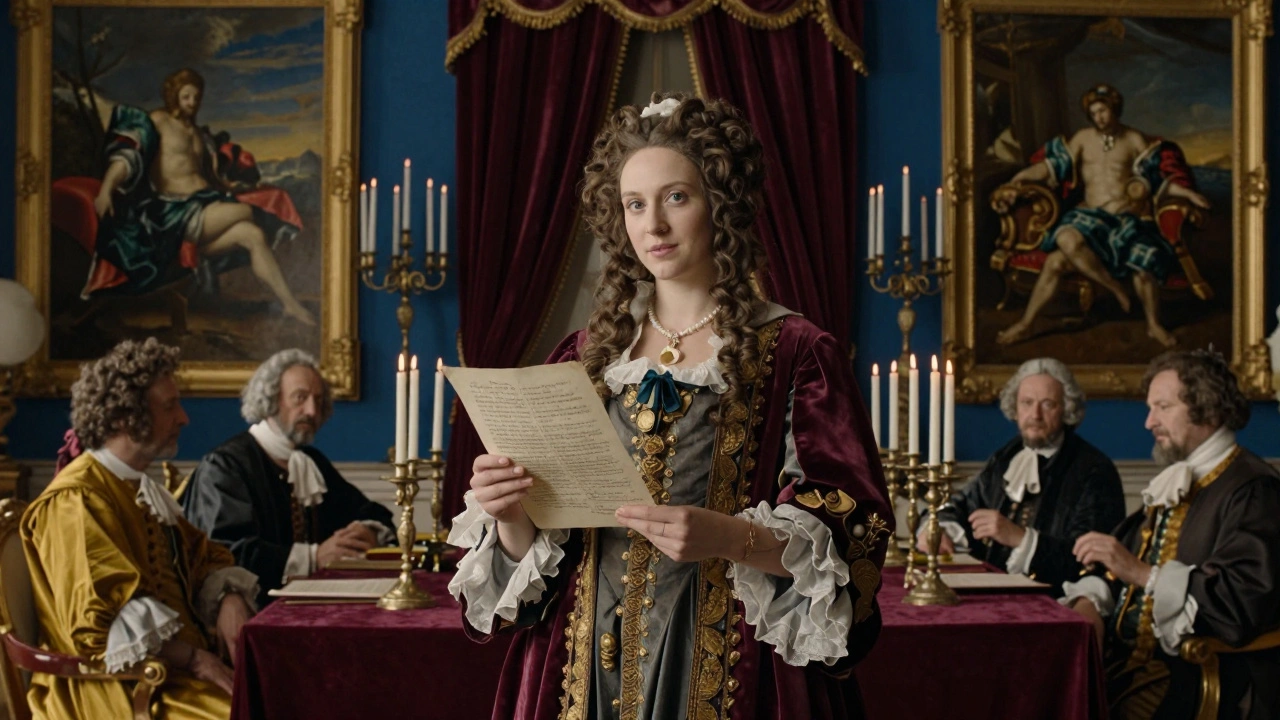
Curious about courtesans? Whether you’ve seen them portrayed in movies as seductive nobles or dismissed as glorified prostitutes, the truth is far more complex. Courtesans weren’t just lovers-they were intellectuals, artists, and political influencers who shaped European and Asian courts for centuries. Let’s clear up the biggest myths once and for all.
Were courtesans just high-end prostitutes?
No. While courtesans did engage in sexual relationships, that was never their primary role. Unlike prostitutes, who were paid for sex alone, courtesans were hired for conversation, music, dance, and companionship. Their value came from their education and social skills. In 18th-century Venice, a courtesan like Veronica Franco could publish poetry, host literary salons, and correspond with philosophers. Her income came from patronage, gifts, and influence-not just transactions.
Did courtesans have real power and status?
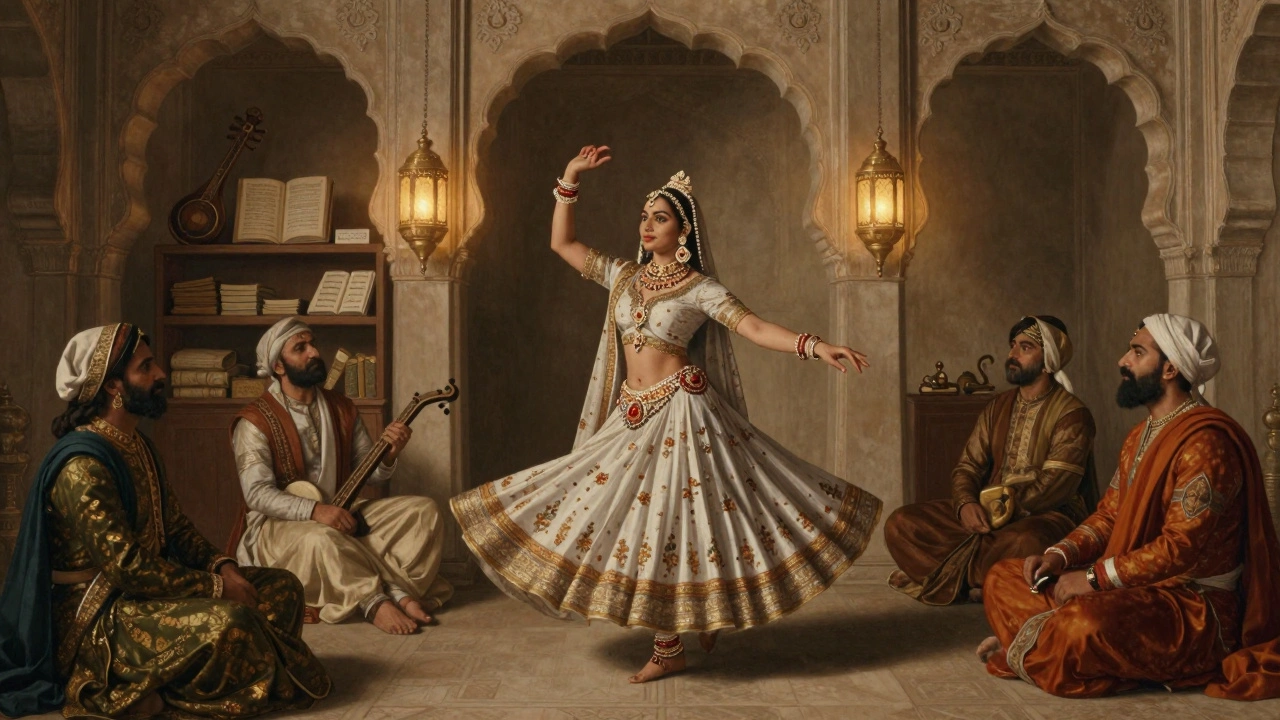
Yes, and that’s what made them dangerous to the establishment. In France, Madame de Pompadour wasn’t just Louis XV’s lover-she was his chief advisor on art, politics, and diplomacy. She helped appoint ministers and shaped the Rococo style across Europe. In India, tawaifs like Mah Laqa Bai were trained in classical music, poetry, and statecraft. They advised nawabs and even mediated disputes between nobles. Their power came from access, not just beauty. Many courtesans owned property, ran businesses, and left wills that outlived their noble patrons.
How did courtesans get trained?
- Early education: Girls were often selected as children and taught reading, writing, and multiple languages.
- Arts mastery: They trained for years in classical dance, singing, and instrument playing-often surpassing professional musicians.
- Social etiquette: They learned courtly manners, negotiation, and how to navigate elite male-dominated spaces.
- Political awareness: Many studied history, philosophy, and current events to hold intelligent conversations.
- Financial literacy: They managed their own wealth, negotiated contracts, and invested in real estate.
This wasn’t just charm school-it was elite training comparable to modern MBA programs, but with far more cultural weight.
Pros and Cons
| Pros | Cons | |
|---|---|---|
| High social mobility: Some rose from poverty to wealth and influence. | Legal vulnerability: They had no legal rights as women and could be expelled or imprisoned at will. | |
| Artistic freedom: They created and performed work that male artists often couldn’t. | Social stigma: Even wealthy courtesans were barred from respectable marriages and family life. | |
| Financial independence: Many owned homes, businesses, and slaves or servants. | Short careers: Their value declined after their 30s, forcing many into retirement or obscurity. | |
| Network access: They connected artists, politicians, and thinkers across borders. | Exploitation: Some were trapped by debt, kidnapping, or abusive patrons. |
When were courtesans most influential?
Courtesans reached peak influence between the 1500s and 1800s, especially in Italy, France, and Mughal India. In Renaissance Venice, they were central to cultural life-artists like Titian painted them, writers like Casanova wrote about them, and composers wrote music for their salons. In 18th-century Paris, courtesans like Madame du Barry hosted gatherings where revolutionary ideas were born. In India, tawaifs preserved classical music and poetry during times when male performers were restricted by religious authorities. Their decline came with industrialization, Victorian morality, and the rise of state-controlled prostitution laws in the late 1800s.
What’s the difference between a courtesan and a concubine?
A concubine was legally recognized as a secondary wife, often in royal or imperial households. She might live in a harem and bear children with official status. A courtesan had no legal ties-she operated outside marriage, often as an independent contractor. Concubines were bound to one man; courtesans could have multiple patrons. In China, imperial concubines could rise to power (like Empress Dowager Cixi), but they were still part of the family structure. Courtesans in Europe and India were outsiders-respected, but never family.
Common mistakes to avoid
- Mistaking courtesans for sex workers without context: Reducing them to their sexual relationships ignores their education, influence, and cultural contributions.
- Assuming they were all voluntary: While some chose the path for freedom, others were sold into it by families or trafficked. Their stories vary widely.
- Thinking they disappeared: Their legacy lives on in classical dance forms like Kathak, in Italian opera traditions, and in the modern concept of the ‘high-end companion’.
- Believing they were all white and European: Courtesan cultures thrived in India, China, Japan, and the Ottoman Empire-each with unique rules and expectations.
FAQ
Were courtesans respected in their time?
Yes, among the elite. They were invited to royal courts, featured in art, and consulted on politics. But the general public often saw them as immoral. Their respect was conditional-based on their usefulness, not their character.
Did any courtesans become wealthy enough to retire?
Many did. Some bought country estates, funded churches, or opened schools for other women. Veronica Franco used her wealth to help poor women in Venice. In India, tawaifs retired to run music academies or adopted children from similar backgrounds.
Are there modern equivalents to courtesans?
Not exactly, but some roles echo them: elite companions, cultural consultants, or high-profile socialites who leverage charm and intellect for influence. The key difference? Today’s equivalents don’t face the same legal or social penalties-but they also lack the institutional power courtesans once held.
Why do movies always portray courtesans as tragic figures?
Because tragedy sells. Hollywood prefers the ‘fallen woman’ narrative over the messy reality of powerful, independent women. Real courtesans often outlived their patrons, managed their own fortunes, and died respected. The myth of tragedy hides their agency.
Did courtesans have any legal protections?
Very few. They couldn’t own property in many places without a male guardian. In France, they were registered with police and taxed as prostitutes. But clever ones used contracts, notaries, and church records to secure assets. Some even sued patrons for broken promises.
What’s next?
If you want to explore further, read Veronica Franco’s poetry, watch the documentary The Courtesans of India, or visit the Musée d’Orsay’s collection of 18th-century French portraits. The truth about courtesans isn’t in the scandals-it’s in the letters, paintings, and music they left behind.





Juhi Edwin on 14 January 2026, AT 01:44 AM
This is such a refreshing take. I always thought courtesans were just tragic figures in period dramas, but learning about their education, financial independence, and political clout completely flips the script. The fact that they ran businesses and left wills? That’s not just survival-that’s strategy.
And the training alone-languages, music, statecraft-it’s like an elite Ivy League program with better fashion.
Why do we still reduce women like this to their sexuality? We need more history that shows women shaping power, not just suffering under it.