
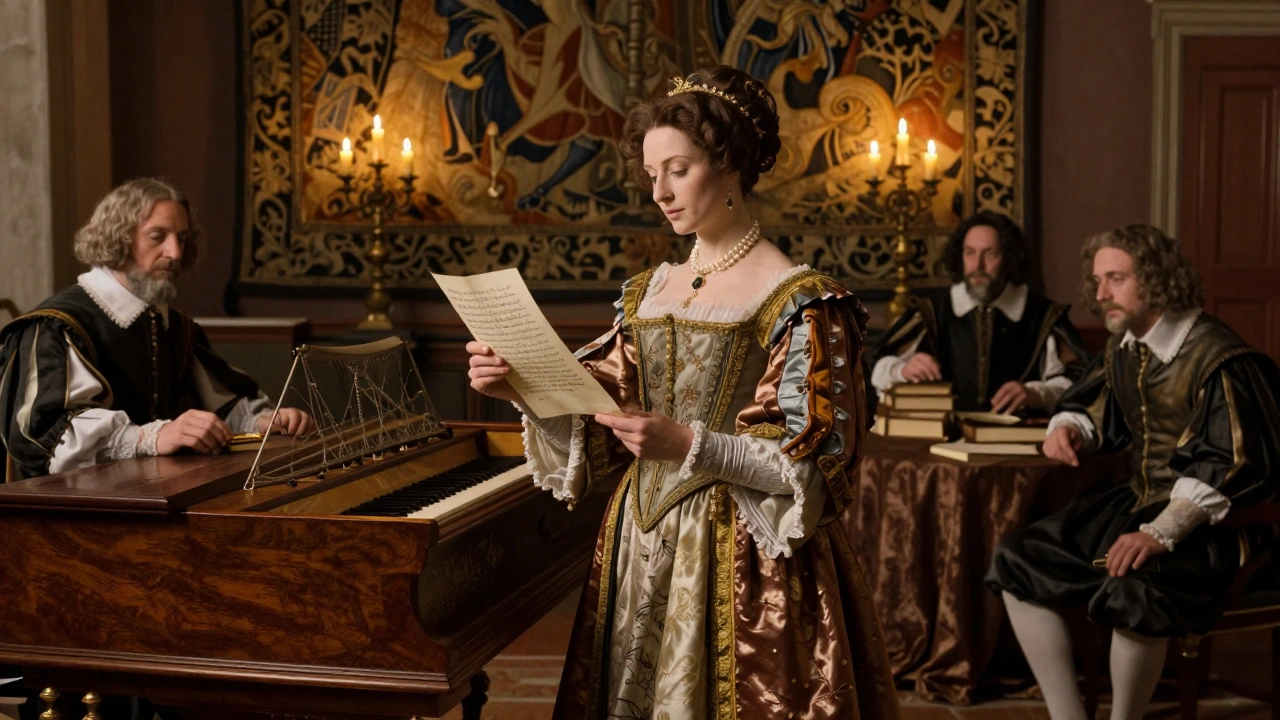
Curious about courtesans and geishas? Many people mix them up, but they were completely different roles in their own societies. One was tied to power, wealth, and politics. The other was an artist trained in tradition. Understanding the difference isn’t just about history-it’s about seeing how women navigated society under strict rules.
What Is a Courtesan Exactly?
A courtesan was a high-class companion in European and Asian courts, often educated in music, poetry, politics, and conversation. Unlike common prostitutes, courtesans built long-term relationships with wealthy men-nobles, merchants, even kings. Their value wasn’t just physical; it was intellectual and social.
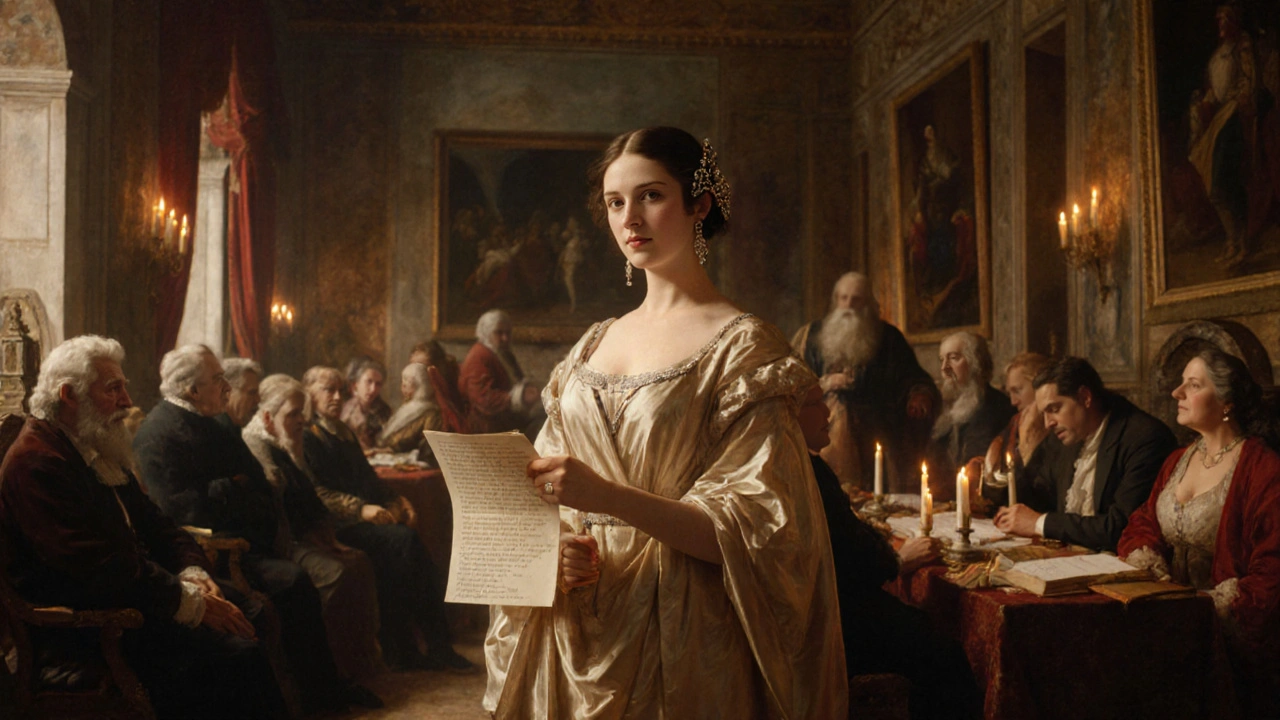
In Italy during the Renaissance, courtesans like Veronica Franco were published poets who owned property and negotiated their own contracts. In China, the "hongru" (red scholars) of Nanjing and Hangzhou were celebrated for their literary talent. These women often lived in luxury, wore fine silks, and hosted salons where artists and thinkers gathered.
What Is a Geisha Exactly?
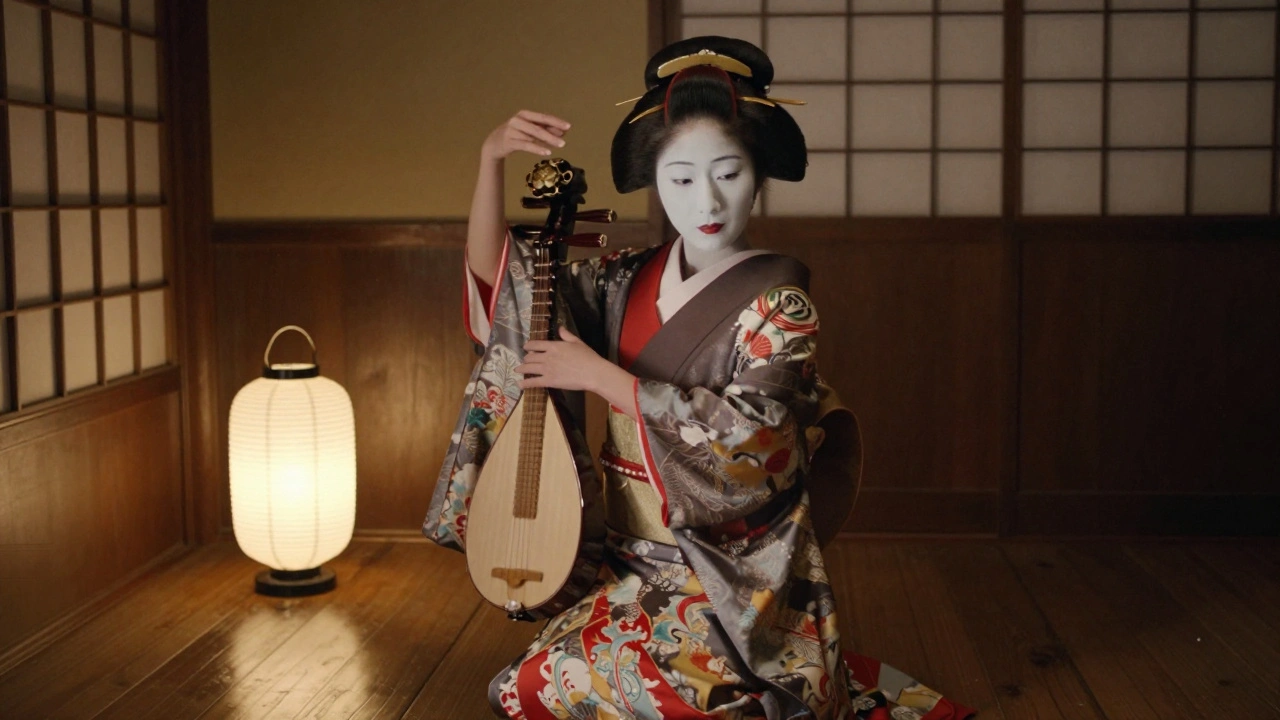
A geisha, meaning "art person," was a professional entertainer in Japan trained in traditional arts like shamisen playing, classical dance, tea ceremony, and witty conversation. Geishas were not sex workers. Their role was to provide refined entertainment at banquets and gatherings, often for elite men.
Training began as young as 10 or 12, lasting years under a strict master. A geisha’s entire life revolved around her art: her kimono, makeup, hairstyle, and speech were all carefully controlled. The most famous districts-Gion in Kyoto, Shinbashi in Tokyo-were centers of cultural preservation. By the 1920s, there were over 80,000 geishas in Japan. Today, fewer than 1,000 remain.
Why Does It Matter?
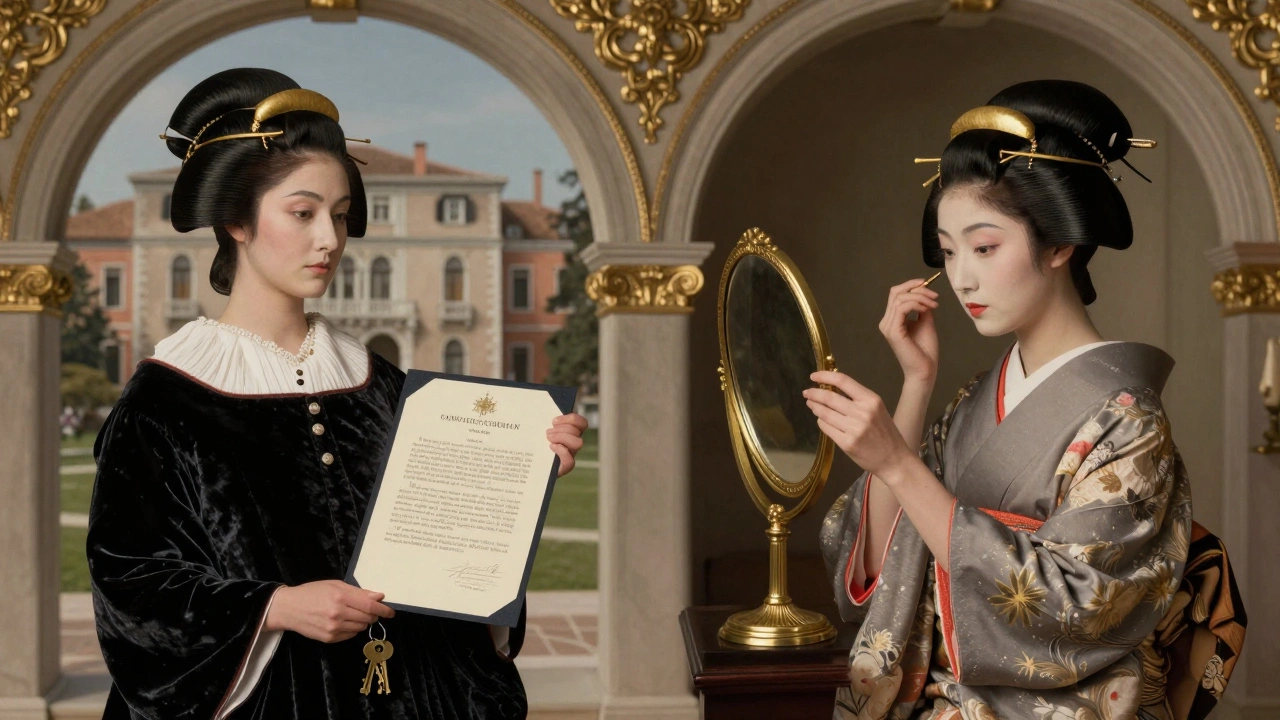
Confusing courtesans with geishas erases important cultural histories. Both were women who operated within rigid gender systems, but they did so in radically different ways. Courtesans often leveraged relationships to gain influence, sometimes even shaping politics. Geishas preserved art forms that might have disappeared without them.
Modern media often romanticizes both roles, but the reality was more complex. Courtesans faced exploitation, legal restrictions, and social stigma despite their wealth. Geishas lived under strict control, with little personal freedom, even as they became cultural icons.
How Do Their Roles Differ?
| Aspect | Courtesan | Geisha |
|---|---|---|
| Primary Role | Companion and confidante to wealthy men | Professional entertainer |
| Training | Varied-often self-taught or privately educated | Rigorous, multi-year apprenticeship under a master |
| Sexual Relationships | Common, often part of the arrangement | Not part of the role; strictly forbidden by tradition |
| Social Status | High wealth, low legal standing | Respected artist; seen as cultural guardian |
| Geographic Focus | Europe, China, Ottoman Empire | Japan (Kyoto, Tokyo, Kanazawa) |
| Legacy Today | Historical figure; no living tradition | Still exists, though rare; preserved as intangible heritage |
Pros and Cons
| Pros | Cons |
|---|---|
| Courtesans could achieve wealth and independence rare for women of their time | Often faced violence, legal persecution, or abandonment |
| Geishas preserved centuries-old Japanese arts | Had little personal freedom; bound by strict rules and patrons |
| Courtesans sometimes influenced politics and culture | Geishas were commodified by tourism and media |
| Geishas were respected as artists, not just companions | Courtesans were rarely recorded in official histories |
When Is It Most Useful?
Understanding the difference matters when studying gender roles, cultural history, or art preservation. If you’re reading historical fiction, watching a period drama, or visiting Kyoto’s Gion district, knowing whether someone was a courtesan or a geisha changes how you interpret their story.
It’s also important in discussions about female agency. Courtesans used charm and intelligence to carve out space in patriarchal systems. Geishas used discipline and artistry to survive within rigid structures. Neither had full freedom-but both found ways to assert control.
Common Mistakes to Avoid
- Assuming geishas were prostitutes-this myth comes from Western travelers in the 1800s who misunderstood Japanese customs. Geishas were strictly entertainers; sexual services were not part of their training or contract.
- Thinking all courtesans were the same-Italian courtesans had more rights than French ones. Chinese courtesans were often poets, while Ottoman ones were sometimes spies. Generalizing erases their individuality.
- Believing these roles still exist today in the same form-modern geishas are cultural preservationists, not relics. Courtesans vanished with the fall of monarchies and the rise of modern gender norms.
- Using Hollywood portrayals as fact-movies like M. Butterfly or Sayonara mix facts with fiction, often romanticizing or exoticizing these women.
FAQ
Were geishas ever forced into sexual relationships?
No, by tradition and law, geishas were not allowed to engage in sexual relationships with clients. Their value was in their art and companionship. Any sexual involvement was considered a breach of contract and could lead to expulsion from the okiya (geisha house). This rule was strictly enforced.
Did courtesans have any legal rights?
In some places, yes. In 16th-century Venice, courtesans could own property, sign contracts, and sue in court. In China, high-ranking courtesans sometimes inherited wealth from patrons. But they were still legally classified as "fallen women" and barred from marrying into noble families.
Can you still meet a geisha today?
Yes, but it’s rare and expensive. In Kyoto, traditional teahouses still offer private performances by geishas for small groups. These aren’t tourist shows-they’re cultural experiences reserved for those who understand the etiquette. Booking usually requires a local connection or referral.
Why do people confuse courtesans and geishas?
Because Western media often uses "geisha" as a synonym for exotic sex worker. This started with 19th-century colonial writings that misunderstood Japanese culture. The confusion stuck, especially after movies like Madame Butterfly blurred the lines between art and exploitation.
Is there a modern equivalent to courtesans or geishas?
Not exactly. Today’s high-end companions or influencers sometimes mirror the social role of courtesans-offering emotional support, intellectual engagement, and access to networks. But none operate under the same structured systems. Modern geishas are cultural artists, not entertainers in the same way.
What’s Next?
If you want to go deeper, read Veronica Franco’s poems or visit Kyoto’s Gion Corner for a live geisha performance. Books like The Geisha by Liza Dalby or Courtesans and Fishcakes by James L. McClain offer real insight. These women shaped history-not through power, but through skill, resilience, and art.



Neil Tejwani on 8 March 2026, AT 12:58 PM
Let’s be real-this post is basically a Wikipedia page with extra steps. I mean, who even cares about 16th-century Venetian courtesans owning property? It’s 2024. We have influencers on TikTok who do way more with less training. And don’t get me started on the geisha thing-why is everyone acting like these women were saints? They were basically high-end hostesses with a 400-year-old HR manual. Also-seriously? No em dashes? No ellipses? This feels like a college essay that got rejected for being ‘too dry.’