
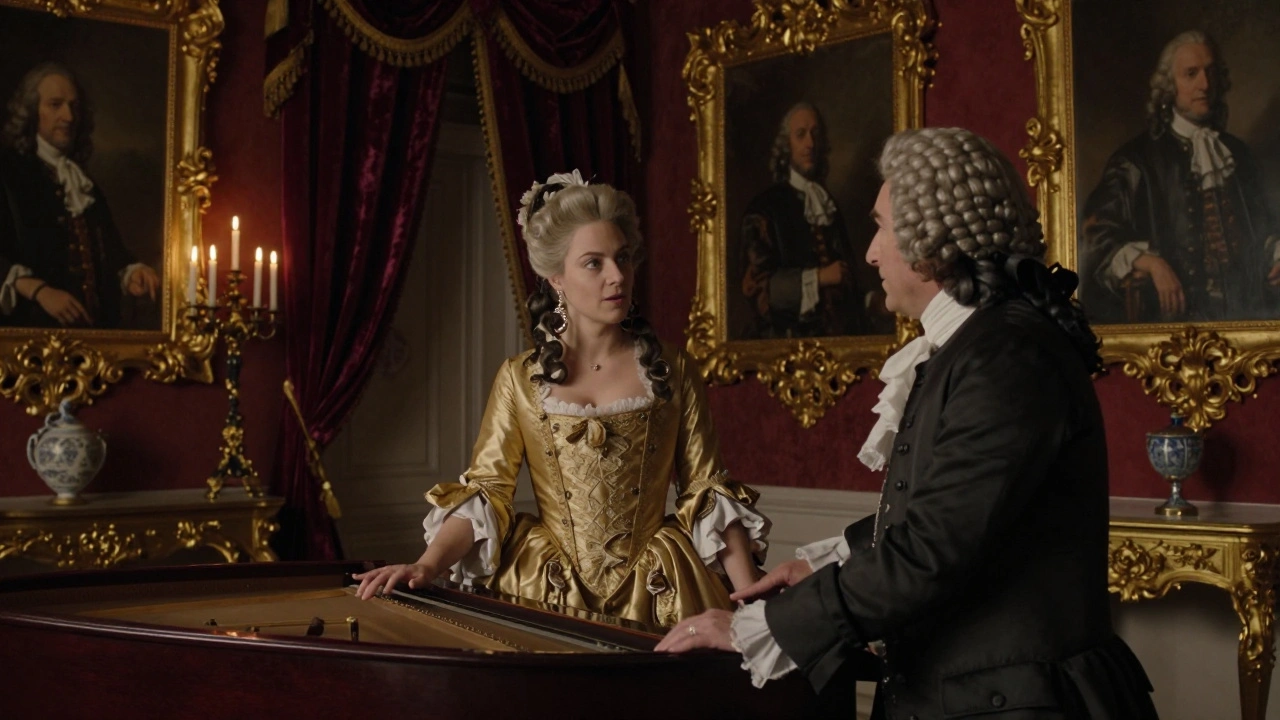
Curious about the courtesan lifestyle? It wasn’t just about romance or sex-it was a high-stakes game of power, culture, and survival. In places like 18th-century Venice, 19th-century Paris, or Edo-era Japan, courtesans lived in palaces, wore silk embroidered with gold, and dined with kings. But behind the jewels and velvet curtains lay isolation, manipulation, and the constant threat of ruin. This isn’t fantasy. It’s history-and the truth is more complex than any novel.
What Is a Courtesan Exactly?
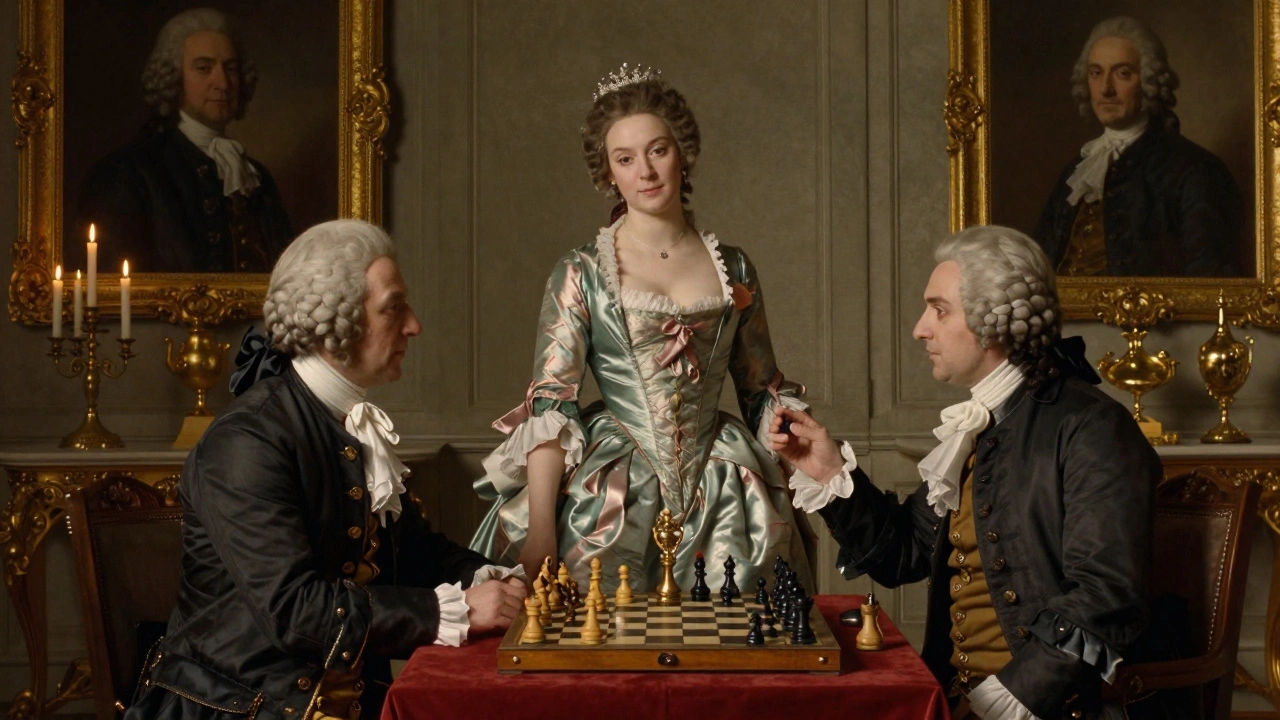
A courtesan wasn’t a prostitute. She was a highly educated woman trained in music, poetry, philosophy, and conversation. Her value came from her mind as much as her body. In Italy, she was called a cortigiana onesta-an honest courtesan-distinguished from street workers by her social standing and intellectual gifts.
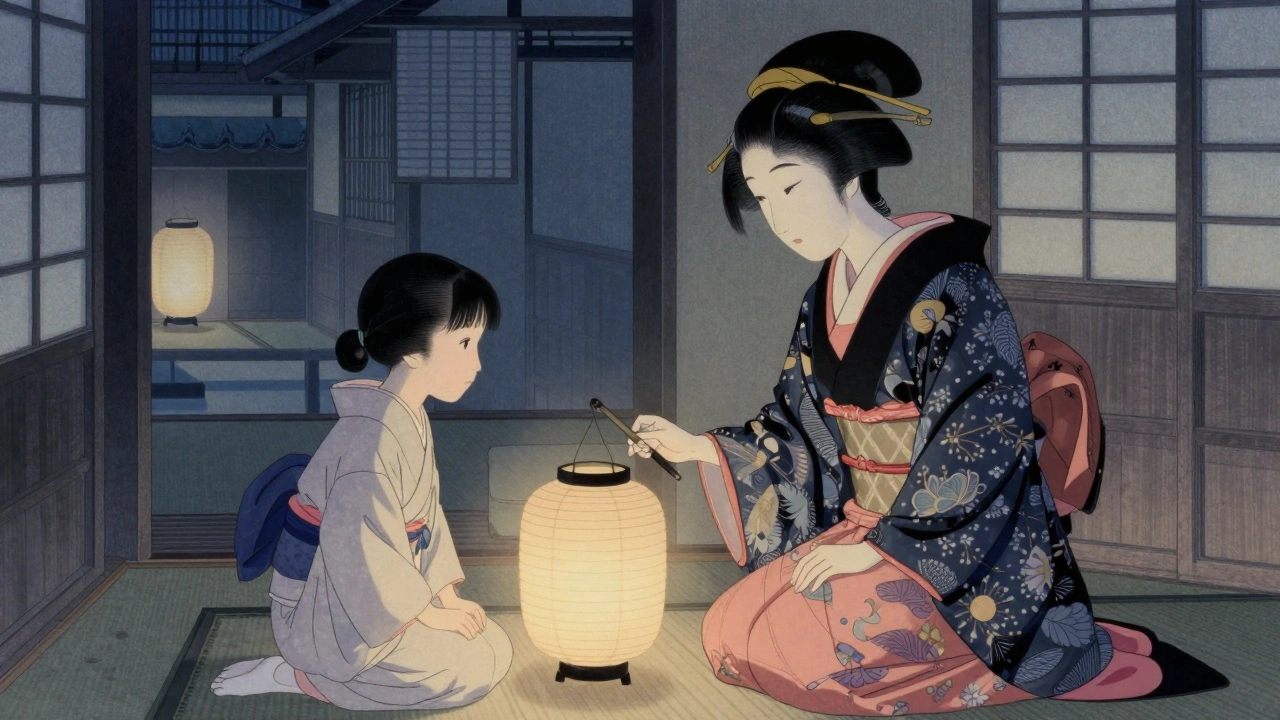
In France, women like Madame de Pompadour shaped royal policy. In Japan, geisha (often confused with courtesans) were entertainers, but true courtesans like those in Kyoto’s Yoshiwara district commanded prices equivalent to a small fortune. Their contracts were legal documents. Their patrons were nobles, merchants, and generals. They didn’t just please men-they influenced empires.
Why Does It Matter?
The courtesan lifestyle matters because it reveals how women navigated systems designed to silence them. Without inheritance rights or formal power, courtesans carved out autonomy through charm, wit, and strategic alliances. Some amassed fortunes. Others ended up abandoned, ill, or imprisoned.
Modern parallels exist: influencers who monetize intimacy, high-end companionship services, or even the rise of “sugar dating.” The difference? Today’s digital world makes visibility a weapon-and vulnerability a liability. Courtesans of the past had to be flawless. One misstep could cost everything.
How Did the Courtesan Lifestyle Work?
- Training from childhood - Many were bought or sold as girls, then taught dancing, calligraphy, languages, and etiquette by masters.
- Apprenticeship under a madam - A senior courtesan or brothel owner mentored newcomers, controlling their schedule, clients, and finances.
- Patronage contracts - Wealthy men signed agreements lasting months or years, paying for exclusive access, gifts, and housing.
- Public performance - Courtesans hosted salons, attended opera nights, and appeared at balls. Their reputation was built in public.
- Financial independence - Savvy courtesans invested in property, lent money, and hired servants. Some retired rich; others lost it all to gambling or betrayal.
Pros and Cons
| Pros | Cons |
|---|---|
| Access to elite education and culture | Loss of family ties and social stigma |
| Financial freedom rare for women at the time | Dependence on volatile male patronage |
| Ability to influence politics and art | High risk of disease, blackmail, or violence |
| Opportunity to retire with wealth | Age meant rapid decline in value and income |
| Control over personal choices (unlike married women) | No legal protection if betrayed or abandoned |
When Is It Most Useful?
The courtesan model isn’t something to replicate-but understanding it helps decode modern power dynamics. It’s useful when studying gender, economics, or social mobility. Historians use it to show how women bent rigid systems to survive. Writers use it to build complex female characters. Sociologists see it as an early form of self-branding.
Today, it’s relevant for anyone asking: How do marginalized people gain agency in unfair systems? The answer lies not in rebellion alone, but in mastering the rules of the game-even if those rules were written by men.
Common Mistakes to Avoid
- Confusing courtesans with sex workers - They were not the same. Courtesans were cultural figures with social capital. Reducing them to sexual service ignores their intellectual and economic power.
- Romanticizing their lives - Movies show them in gowns, smiling at moonlit balconies. Reality? Many lived in fear. One wrong word to a jealous husband, one failed investment, one scandal-and they vanished from history.
- Ignoring regional differences - A Venetian courtesan wasn’t like a Chinese geiko or an Ottoman odalisque. Each culture had its own rules, rituals, and risks. Generalizing erases nuance.
FAQ
Were courtesans ever married?
Technically, no. Marriage required legal and religious consent, which courtesans couldn’t obtain without losing their status. But many lived as unofficial wives to powerful men. Some bore children who were later legitimized. A few even inherited titles.
How did courtesans earn their wealth?
They earned through patronage contracts, gifts of jewelry and land, commissions for art or music, and sometimes by running their own salons. The most successful invested in real estate. One Venetian courtesan, Veronica Franco, owned multiple properties and published poetry under her own name.
Did courtesans have any rights?
Very few. They couldn’t vote, own land in most places without a male guardian, or sue in court easily. But they used contracts, social influence, and public reputation as leverage. Some sued for breach of patronage agreements. A few won.
Why did men pay so much for courtesans?
Because they offered what wives couldn’t: intellectual stimulation, discretion, and freedom from family obligations. A wife managed households. A courtesan sparked ideas, danced at midnight, and never complained. In a world where men were expected to be rulers, courtesans were the only women who could match them in wit and charm.
What happened to courtesans when they got old?
It depended. The lucky ones retired to villas with pensions from former patrons. Others became nuns, opened boarding houses, or lived in poverty. In Japan, aging courtesans sometimes became madams. In Paris, some turned to writing memoirs-like Ninon de Lenclos, who lived to 90 and advised Voltaire.
Are there courtesans today?
Not in the historical sense. But modern equivalents exist: high-end companions, elite escorts who offer emotional and intellectual engagement, or influencers who monetize curated intimacy. The core dynamic-exchange of attention for access-remains the same. The tools have changed. The stakes haven’t.
What’s Next?
If you want to dig deeper, read Veronica Franco’s poems, watch the film The Courtesan of Venice, or explore the archives of Kyoto’s Oiran district. The courtesan wasn’t just a figure of the past-she was a mirror. And in her reflection, we still see questions about power, gender, and survival.



Frances Chen on 3 December 2025, AT 08:35 AM
The more I read about courtesans the more I see them as early-stage CEOs of emotional labor
They weren't just selling sex they were selling presence authenticity and intellectual capital
Modern influencers are just doing it with Instagram instead of salons
And honestly the power dynamics haven't changed much just the platform