

Curious about what life is really like for sex workers? Most people only hear headlines or stereotypes - never the quiet, complicated, human truths behind the job. These aren’t just stories about work. They’re stories about survival, dignity, choice, and resilience. This isn’t about judgment. It’s about listening.
What Is Sex Work Exactly?
Sex work is any exchange of sexual services for money or goods. That includes escorts, strippers, webcam models, phone line operators, and street-based workers. It’s not a monolith. Some choose it as a career. Others do it to survive homelessness, addiction, or lack of other options. No single story fits all.
In the UK, selling sex isn’t illegal - but many related activities are. Pimping, brothel-keeping, and soliciting in public can land people in legal trouble. That pushes workers into isolation, making them more vulnerable instead of safer.
Why Does It Matter?
Because 1 in 3 sex workers in the UK report being physically attacked in the past year, according to the English Collective of Prostitutes. Because many are mothers, students, or people recovering from trauma. Because when society treats them as criminals instead of workers, they can’t access healthcare, housing, or legal protection.
Ignoring their lives doesn’t make sex work disappear. It just makes it more dangerous. Recognizing sex workers as people - not myths - is the first step toward real safety and dignity.
How Does It Work in Practice?
- Many work online now - through apps, OnlyFans, or private websites - which gives them control over clients, pricing, and boundaries.
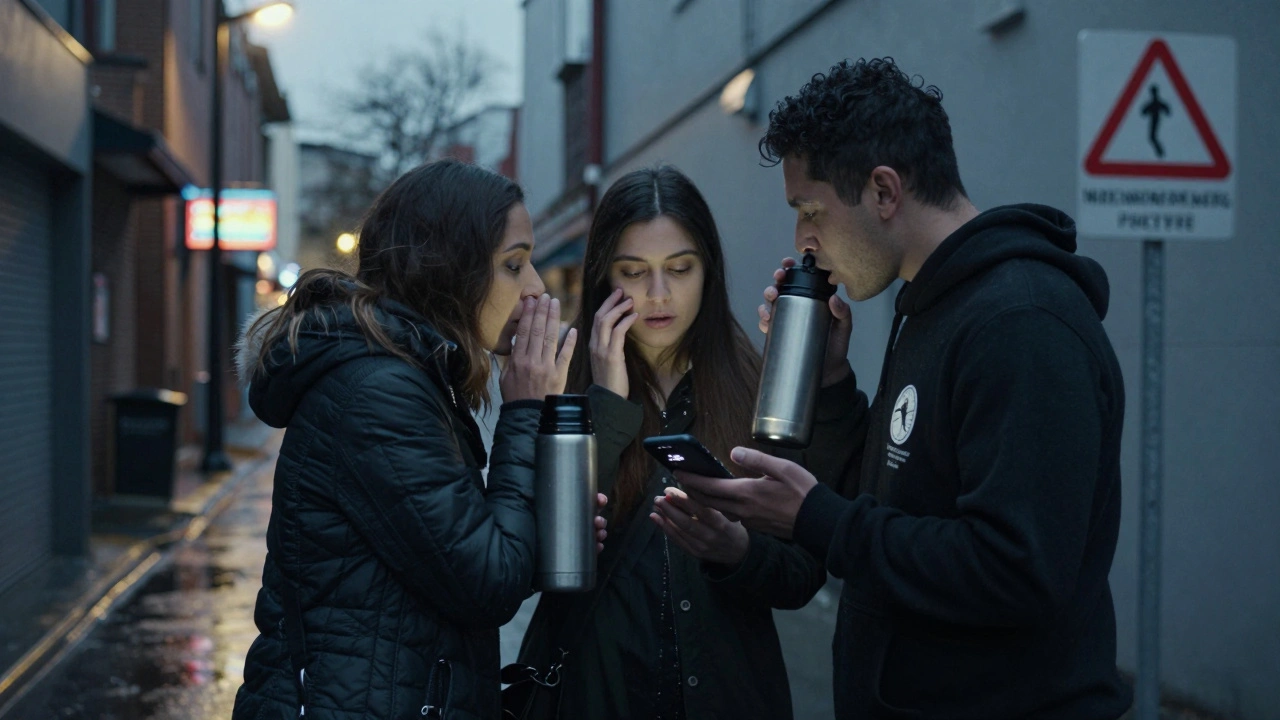
- Street-based workers often rely on peer networks for safety, sharing warnings about dangerous clients or police raids.
- Some combine sex work with other jobs - tutoring, cleaning, or freelancing - to build stability.
- Workers in cities like London, Manchester, or Birmingham often form collectives to share resources, legal advice, and mental health support.
Technology changed the game. No longer do most need to rely on pimps or work in dark alleys. But even online, stigma follows them. Banks freeze accounts. Platforms ban them without warning. Landlords evict them when they find out.
Pros and Cons
| Pros | Cons |
|---|---|
| Flexible hours - can work around childcare, illness, or other jobs | Legal risks - even if selling sex is legal, related activities can lead to arrest |
| High earning potential - some make £1,000+ per week online | Stigma - family, friends, and employers often cut ties |
| Autonomy - set your own rates, choose clients, control your space | Lack of protection - no sick pay, no pensions, no workers’ compensation |
| Community support - many find belonging in peer-led groups | Violence - over 60% report experiencing physical or sexual violence |
When Is It Most Useful?
Sex work becomes a lifeline when other options vanish. For a single mother in Birmingham who can’t afford rent on minimum wage, webcam work might be the only way to keep her kids fed. For a trans woman rejected by employers, escorting might be the only job that pays enough to afford hormones and housing.
It’s also useful when workers have control. Those who operate independently, use screening tools, and have backup plans report far less trauma than those forced into unsafe situations.
The real question isn’t whether sex work is useful - it’s whether society will stop punishing the people who rely on it.
Common Mistakes to Avoid
- Assuming all sex workers are victims - Many are not. Forcing "rescue" or shutting down their income without offering alternatives can leave them worse off.
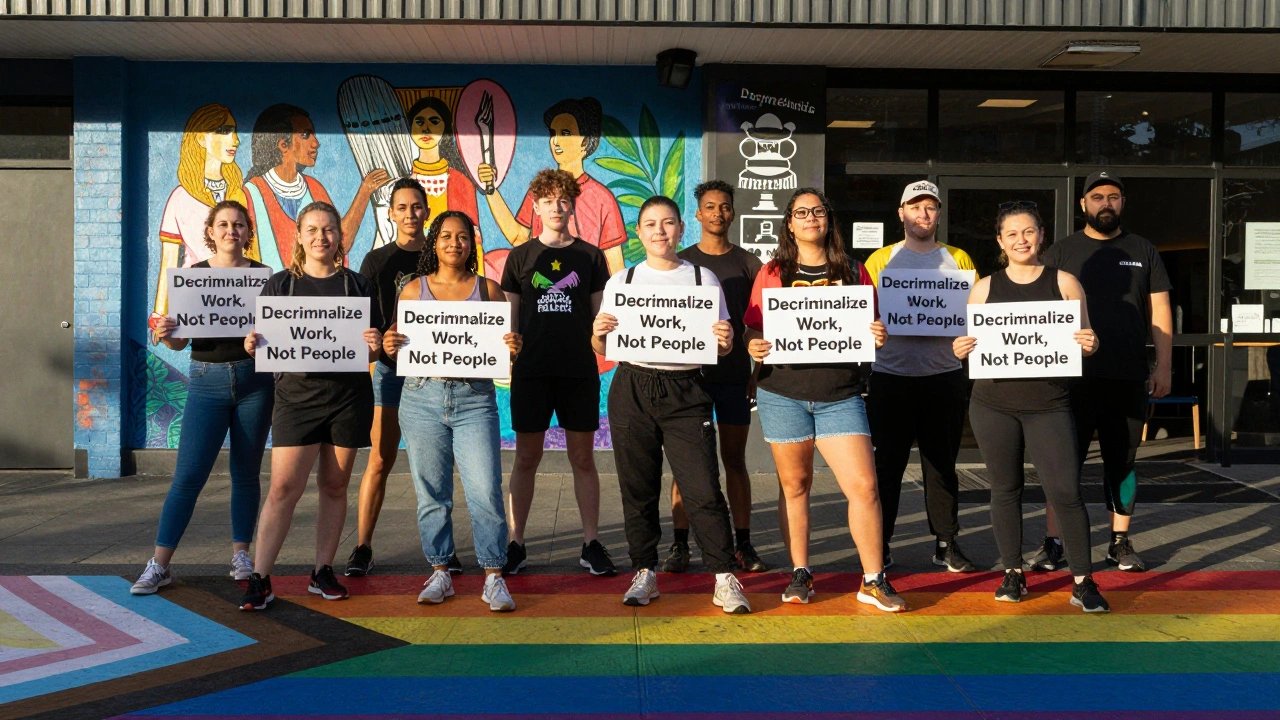
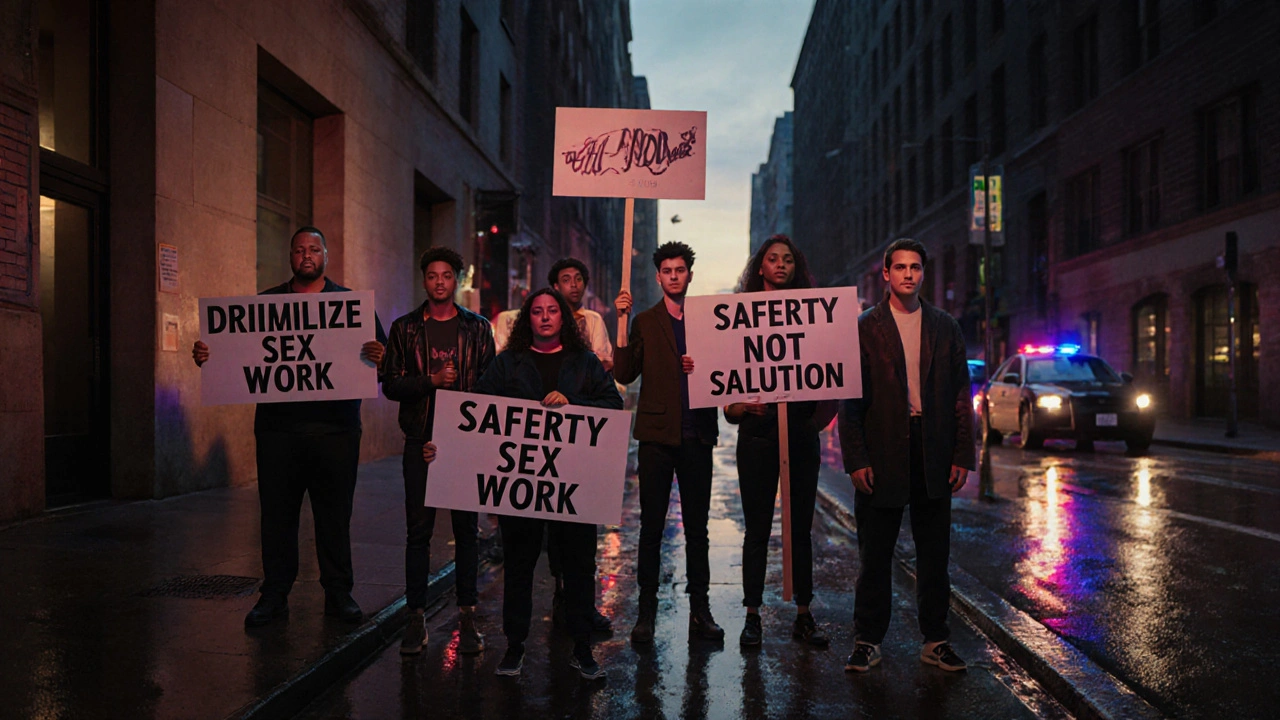
- Believing legalization = safety - Just making it legal doesn’t fix stigma, banking bans, or police harassment. Decriminalization - removing all criminal penalties - is what experts actually recommend.
- Ignoring intersectionality - Black, migrant, trans, and disabled sex workers face far higher rates of violence and exclusion. Solutions must address these layers, not treat everyone the same.
- Using shock language - Words like "prostitute" or "hooker" dehumanize. "Sex worker" is the respectful, widely accepted term.
FAQ
Is sex work legal in the UK?
Selling sex is legal, but buying sex from someone who is "controlled" or working in a brothel is not. Soliciting in public is also illegal. This patchwork of laws makes it hard for workers to operate safely.
Do sex workers have access to healthcare?
Yes - but many avoid it. Fear of judgment, being reported to immigration, or having their work discovered stops them from seeking help. Clinics that offer non-judgmental, confidential care are rare.
Why don’t they just get another job?
Many have tried. Barriers include criminal records, lack of references, discrimination, mental health struggles, or being undocumented. Sex work often pays more in a week than other jobs do in a month - especially for single parents or trans people facing hiring bias.
Are all sex workers exploited?
No. Some are. Many are not. The difference isn’t always obvious. A person working alone from home, screening clients, and choosing their hours may be more in control than someone in a "traditional" job with a strict boss and no flexibility.
What can I do to help?
Support organizations led by sex workers - like the English Collective of Prostitutes or the UK Network of Sex Work Projects. Donate, volunteer, or just listen. Don’t push for "rescue" missions. Push for decriminalization, housing, and healthcare access. Respect their agency.
Do sex workers have long-term career paths?
Sometimes. Some transition into advocacy, counseling, or running support groups. Others save up and open businesses - cafes, beauty salons, or online stores. Many don’t stay in the industry forever. But they need safe, legal pathways to leave - not punishment.
What’s Next?
Start by listening. Read stories written by sex workers themselves - not about them. Follow organizations that center their voices. Challenge the myths you’ve heard. Real change doesn’t come from pity. It comes from justice.



Rhys Harley on 25 January 2026, AT 10:22 AM
Sex work is a profession like any other. The legal ambiguity in the UK is not just illogical-it’s cruel. When you criminalize the environment but not the activity, you create a vacuum where exploitation thrives. No one benefits from this half-measure. Decriminalization isn’t radical. It’s basic human rights.
Stop framing this as a moral crisis. It’s a policy failure.
And yes, I’ve spoken to workers in Manchester. They don’t want pity. They want the same labor protections as a barista.