
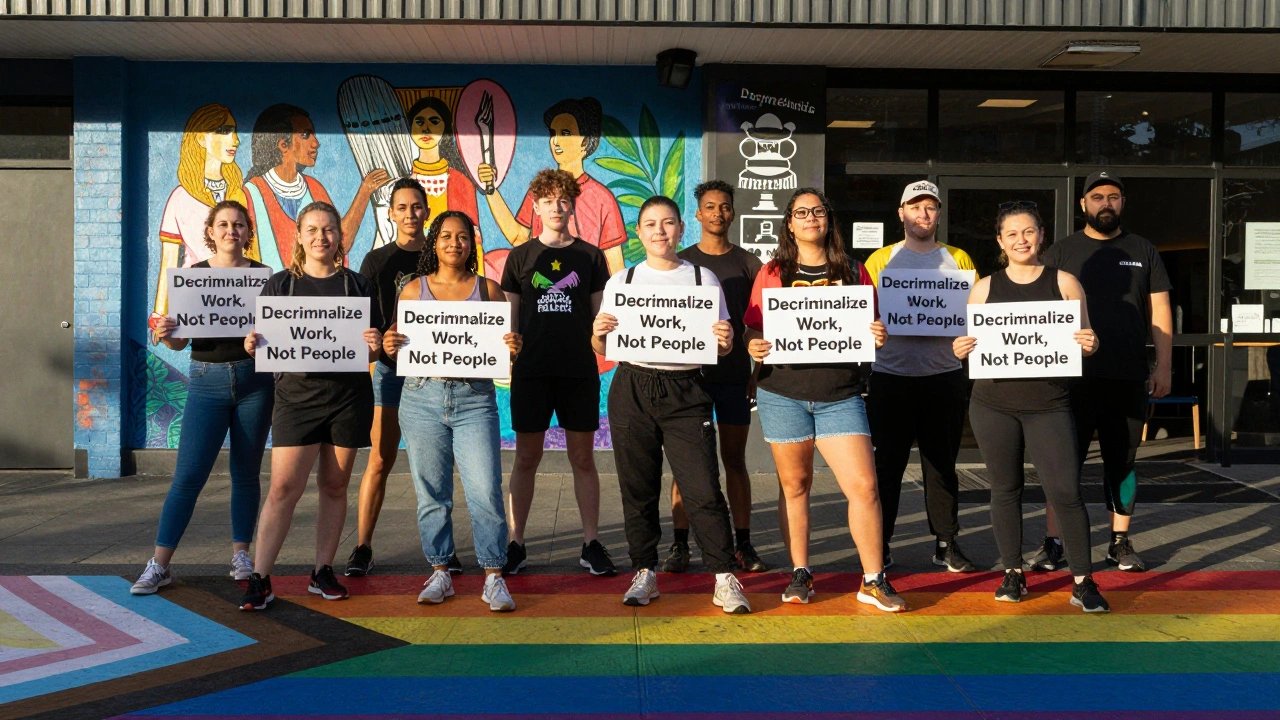
Curious about how sex workers are treated around the world? The truth is, their rights vary wildly-from full legal protection in some countries to criminalization, violence, and stigma in others. This isn’t just about law books. It’s about who gets to live safely, who gets arrested, and who gets ignored.
What Are Sex Worker Rights Exactly?
Sex worker rights mean the right to work without fear of arrest, violence, or discrimination. It includes access to healthcare, legal protection, fair pay, and the ability to report crimes without being punished themselves. These rights aren’t about promoting sex work-they’re about protecting people who are already doing it.
In places like New Zealand, where sex work is fully decriminalized, workers can unionize, rent offices legally, and call police without being treated as criminals. In contrast, in countries like the U.S. (outside Nevada), even talking to a client can land someone in jail. The difference isn’t moral-it’s policy.
Why Does It Matter?
Because when sex work is criminalized, people get hurt. A 2023 study by the Lancet found that criminalization increases HIV transmission rates by 33% among sex workers, simply because they avoid clinics and condoms to stay off police radar. It also makes reporting rape or robbery nearly impossible.
Decriminalization doesn’t mean encouraging sex work. It means treating it like any other job-where safety, consent, and dignity matter. When workers aren’t afraid of arrest, they can screen clients, share information, and demand better conditions. That saves lives.
How Do Laws Differ Around the World?
- New Zealand: Fully decriminalized since 2003. Workers can operate legally, hire security, and access labor rights.
- Germany: Legalized and regulated. Workers must register, pay taxes, and get health checks. Many still face stigma and exploitation.
- Sweden, Norway, Iceland: Criminalize buyers, not sellers. Known as the Nordic Model. Critics say it pushes work underground, making it more dangerous.
- United States: Mostly illegal. Only legal in certain Nevada counties under strict licensing.
- Thailand: Technically illegal, but widely tolerated. Workers are often targeted by police for bribes, not protected from abuse.
- South Africa: Illegal, but activists are pushing for decriminalization. Sex workers face high rates of police violence and HIV.
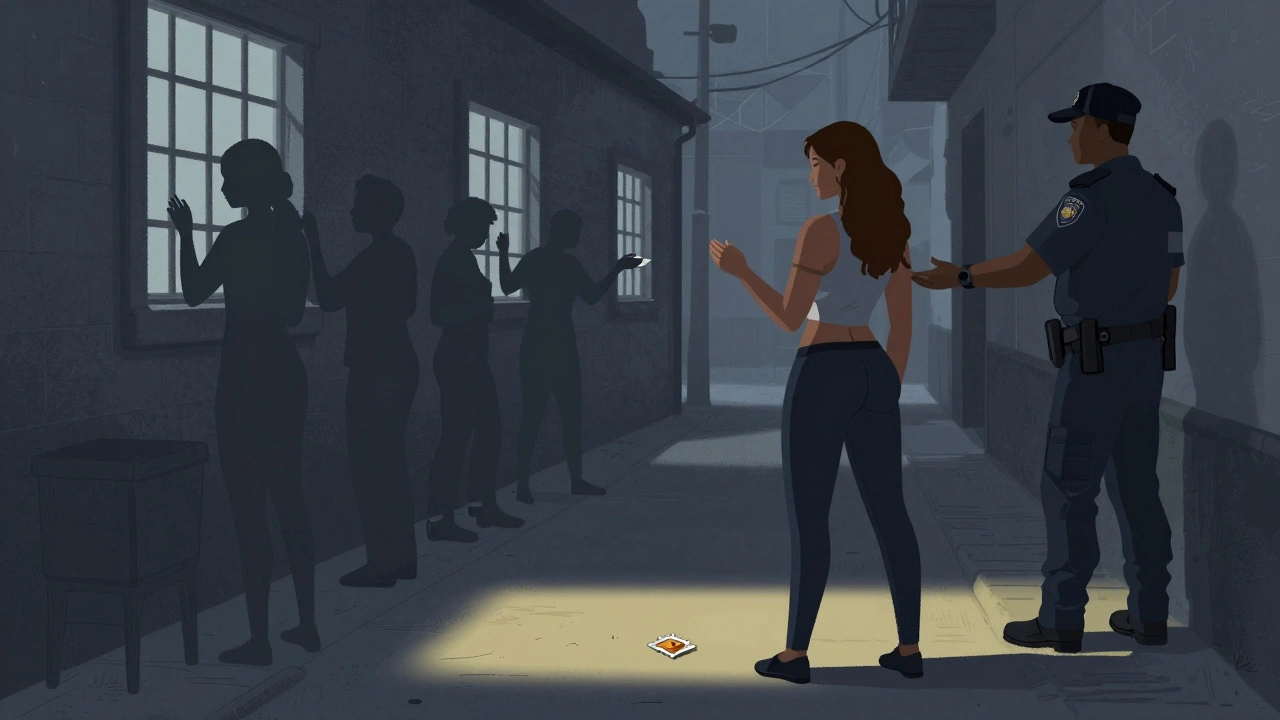
Pros and Cons of Different Approaches
| Pros | Cons |
|---|---|
| Decriminalization (New Zealand): Reduces violence, improves health access, allows unionization | Some argue it normalizes exploitation, though evidence shows workers report more control and safety |
| Legalization (Germany): Formalizes work, provides tax benefits, health monitoring | Regulation often excludes migrant workers, creates bureaucracy, and doesn’t stop stigma |
| Nordic Model (Sweden): Reduces demand, frames sex work as exploitation | Pushes workers into hiding, increases risk of violence, makes it harder to report crimes |
| Criminalization (U.S., most countries): Seen as morally "clean" by some | Leads to police harassment, HIV spread, no legal recourse for abuse, family separation |
When Is It Most Useful to Advocate for Rights?
Advocacy works best when it’s led by sex workers themselves. Groups like the Global Network of Sex Work Projects (NSWP) and Red Umbrella Fund have shown that when workers are at the table, policies change faster and safer.
Real progress happens during elections, when local governments review public health data, or after a high-profile case of police abuse. In 2022, Argentina passed a national decriminalization bill after years of protests by sex worker collectives. In 2024, France’s Supreme Court ruled that arresting sex workers for soliciting violated human rights.
It’s not about changing hearts-it’s about changing laws based on evidence, not morality.
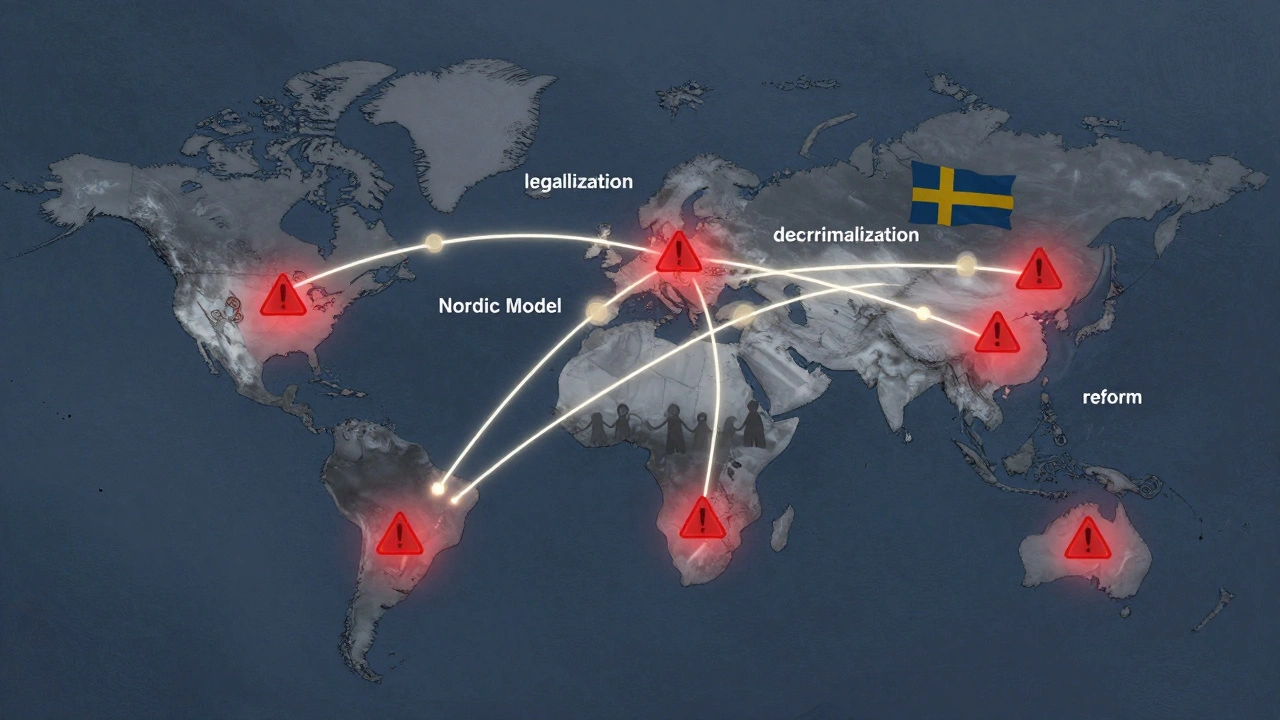
Common Mistakes to Avoid
- Assuming all sex workers are victims - Many choose this work for flexibility, income, or survival. Blanket victim narratives ignore agency and make it harder to fight for real rights.
- Supporting the Nordic Model without data - It sounds compassionate, but studies show it increases danger. Pushing for decriminalization, not buyer criminalization, is safer.
- Ignoring migrant sex workers - They’re the most vulnerable. Laws that require ID or registration often exclude them, leaving them exposed to exploitation.
- Letting NGOs speak for workers - Organizations run by former sex workers are effective. Those run by outsiders often push agendas that don’t match reality.
FAQ
Is sex work legal anywhere?
Yes. New Zealand fully decriminalized it in 2003. Parts of Australia, the Netherlands, and Nevada (USA) allow regulated sex work. Germany and some other countries have legalized it with strict rules. But legality doesn’t always mean safety-enforcement and stigma still matter.
Why don’t more countries decriminalize sex work?
Mainly because of moral panic, not evidence. Politicians fear being seen as "prostitutes’ advocates," even though public opinion is shifting. In the UK, 62% of people now support decriminalization, according to a 2024 YouGov poll-but few politicians act on it.
Do decriminalization laws protect trans sex workers?
They can-if designed well. In New Zealand, trans workers report fewer incidents of police harassment after decriminalization. But in places like Thailand or Russia, trans people are often targeted regardless of the law. Inclusion in policy matters as much as legality.
Can sex workers unionize?
In New Zealand and parts of Australia, yes. The New Zealand Prostitutes’ Collective helped draft the decriminalization law and still runs peer education programs. In the U.S., unions are blocked by criminalization-but groups like SWOP (Sex Workers Outreach Project) offer similar support.
Does decriminalization increase trafficking?
No. The UN and WHO both state that criminalization fuels trafficking by pushing work underground. Decriminalization makes it easier to spot coercion because workers can report without fear. Countries with decriminalization have lower trafficking rates per capita than those with strict bans.
How can I support sex worker rights?
Listen to sex worker-led organizations. Donate to groups like Red Umbrella Fund or SWOP. Challenge myths when you hear them. Don’t assume someone’s story. Support policies that treat sex work as labor, not crime.
What’s Next?
If you want to see real change, start by learning who sex workers are-not as stereotypes, but as people with jobs, families, and rights. Follow organizations led by sex workers. Share their stories. And ask your representatives: Why are we punishing people for surviving?






Stephanie Labay on 3 December 2025, AT 06:28 AM
This whole post is just woke propaganda dressed up as "research". You want to legalize prostitution? Fine. But don't act like it's some noble labor movement. It's exploitation wrapped in glitter and hashtags. New Zealand? Yeah, they're a tiny island with 5 million people-this doesn't scale to America. Stop romanticizing survival sex work like it's a damn yoga retreat.