

Curious about what drives someone into sex work? It’s not one story. It’s not a single reason. People enter this line of work for deeply personal, often complex reasons - some rooted in survival, others in freedom, control, or financial strategy. This isn’t about judgment. It’s about understanding what actually happens behind the headlines.
What drives someone to become a sex worker?
For many, it starts with economic necessity. Rent, bills, medical costs, or supporting children don’t wait for a 9-to-5 paycheck. Sex work often offers higher pay in less time than minimum-wage jobs. A 2023 study from the London School of Economics found that independent sex workers in the UK earned, on average, £35-£70 per hour - more than double the national minimum wage. For single parents, students, or people without access to stable employment, that kind of income isn’t just appealing - it’s life-changing.
Others choose sex work because it gives them autonomy. Unlike traditional jobs with rigid schedules and bosses, many sex workers set their own hours, rates, and boundaries. They decide who they work with, what services they offer, and when they take time off. This control over their own labor is a major draw - especially for people who’ve faced exploitation in other industries.
Why does it matter?
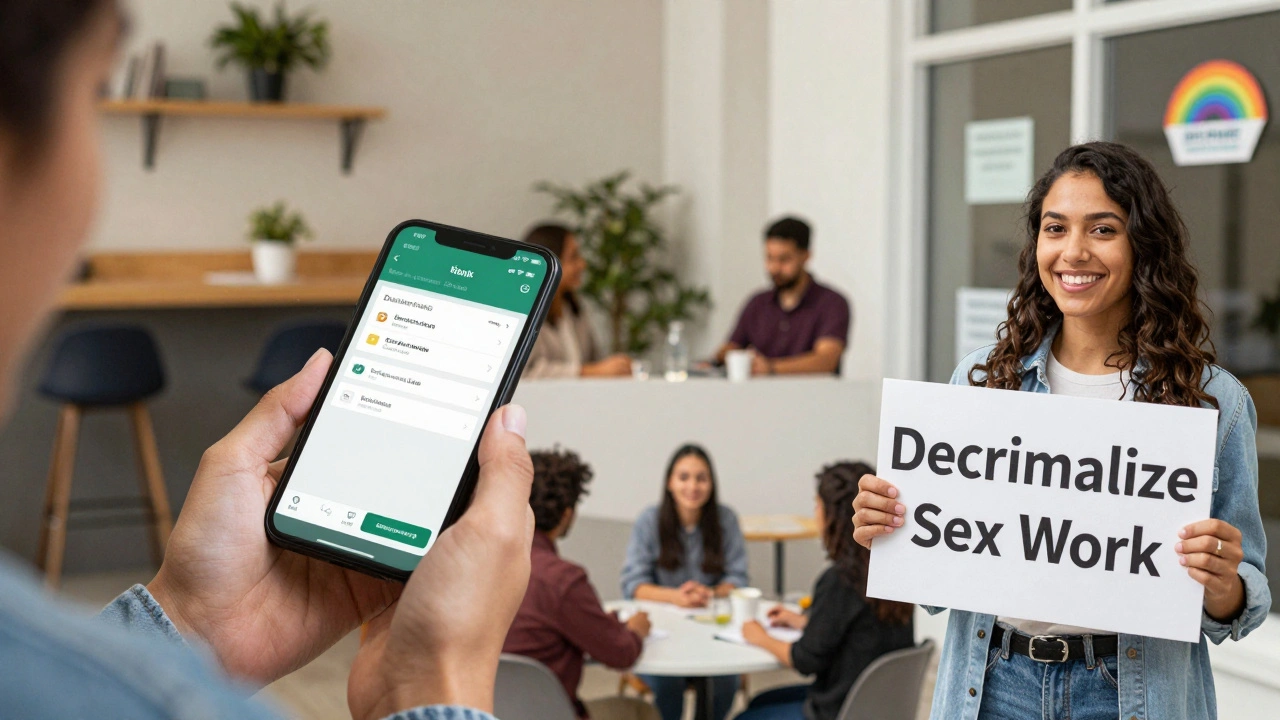
Understanding the reasons people enter sex work changes how we talk about it. If we assume everyone is trapped or coerced, we miss the reality that many are making strategic choices. Criminalizing or stigmatizing sex work doesn’t protect people - it pushes them into danger. When workers can’t report violence, access healthcare, or open bank accounts because their work is illegal or hidden, they become more vulnerable.
On the flip side, recognizing sex work as labor - not deviance - opens the door to real support: legal protections, safe working spaces, access to unions, and mental health resources. It shifts the conversation from shame to safety.
How does it work in practice?
- Many start by testing the waters - offering services online through platforms like OnlyFans, Patreon, or private booking sites.
- Some work independently, handling all logistics themselves: screening clients, managing payments, setting boundaries.
- Others join agencies or work in licensed environments where safety protocols, security, and peer support are built in.
- Some combine sex work with other gigs - tutoring, freelance writing, or caregiving - to create a stable income mix.
- Time management is critical. Successful workers often track earnings, expenses, and emotional energy like a small business owner.

Pros and Cons
| Pros | Cons |
|---|---|
| Higher hourly pay than most entry-level jobs | Legal risks in places where sex work is criminalized |
| Control over schedule, clients, and services | Stigma from family, friends, or future employers |
| Ability to work remotely or anonymously | Lack of benefits like sick leave, pensions, or health insurance |
| Opportunity to build a personal brand and long-term income | Emotional toll from dealing with trauma, judgment, or isolation |
| Access to community and peer networks for support | Difficulty accessing banking, housing, or legal services |
When is it most useful?
Sex work becomes a practical choice when traditional jobs don’t offer flexibility or fair pay. It’s especially common among people who face barriers in the formal economy - immigrants without work permits, people with disabilities, survivors of abuse, or those in debt. For some, it’s a temporary bridge. For others, it’s a long-term career they’ve built intentionally.
It works best when people have access to tools: secure communication apps, client screening methods, financial literacy, and peer networks. In places like New Zealand, where sex work is fully decriminalized, workers report higher safety, better mental health, and more access to legal rights.
Common mistakes to avoid
- Ignoring safety protocols - meeting clients in private, unmonitored locations without telling someone where you are. Always use verified platforms, share your location, and have a check-in system.
- Using cash only - it makes tracking income harder and leaves you without proof of earnings. Digital payment systems like PayPal, Wise, or crypto wallets (used carefully) help build financial history.
- Believing you have to do everything alone - isolation increases risk. Connecting with peer groups or online communities gives you advice, emotional support, and emergency resources.
- Letting stigma silence you - hiding your work out of shame makes it harder to get help when you need it. Many therapists, lawyers, and financial advisors specialize in working with sex workers.
FAQ
Is sex work always voluntary?
No. While many people choose sex work as a career, coercion and trafficking do exist. But conflating all sex work with trafficking harms those who work by choice. The key difference is control: Can you leave? Can you set your own rules? If yes, it’s work. If no, it’s exploitation - and that needs different solutions.
Do sex workers have access to healthcare?
In places where sex work is decriminalized, yes - and often better than in countries where it’s criminalized. In the UK, sex workers can access NHS services, but fear of judgment or legal trouble often stops them. Clinics in cities like London and Brighton now offer sex-worker-friendly services with confidential intake forms and staff trained in non-judgmental care.
Can you build a long-term career in sex work?
Absolutely. Many workers transition into related fields - content creation, coaching, advocacy, or running businesses that support other sex workers. Some even retire early by investing their earnings. It’s not a dead-end job; it’s a business. The same way someone builds a freelance design career, sex workers build brands, client bases, and financial stability over time.
Is sex work only for women?
No. Men, non-binary, and trans individuals also work in sex work - though they face different stigma and barriers. Male sex workers often get erased from the conversation, but they make up a significant portion of online platforms and independent services. Their experiences matter too.
What’s the difference between sex work and trafficking?
Sex work is consensual labor. Trafficking is forced labor under threat or deception. The line is clear: if someone can quit, set boundaries, and keep their earnings - it’s work. If they’re controlled, threatened, or forced - it’s trafficking. Policies that criminalize all sex work make it harder to identify and help trafficking victims.
What’s next?
If you’re trying to understand this world - start by listening to sex workers themselves. Follow organizations like the English Collective of Prostitutes or the Global Network of Sex Work Projects. Read their stories. Ask questions. Challenge assumptions. The more we separate fact from fear, the better we can support people who need it most.




Sean Marcus on 2 March 2026, AT 12:42 PM
lol so now we're treating sex work like a side hustle on LinkedIn? 'Hey guys, just quit my 9-to-5 to monetize my aura on OnlyFans. Tax write-off for emotional labor? 🤷♂️'