
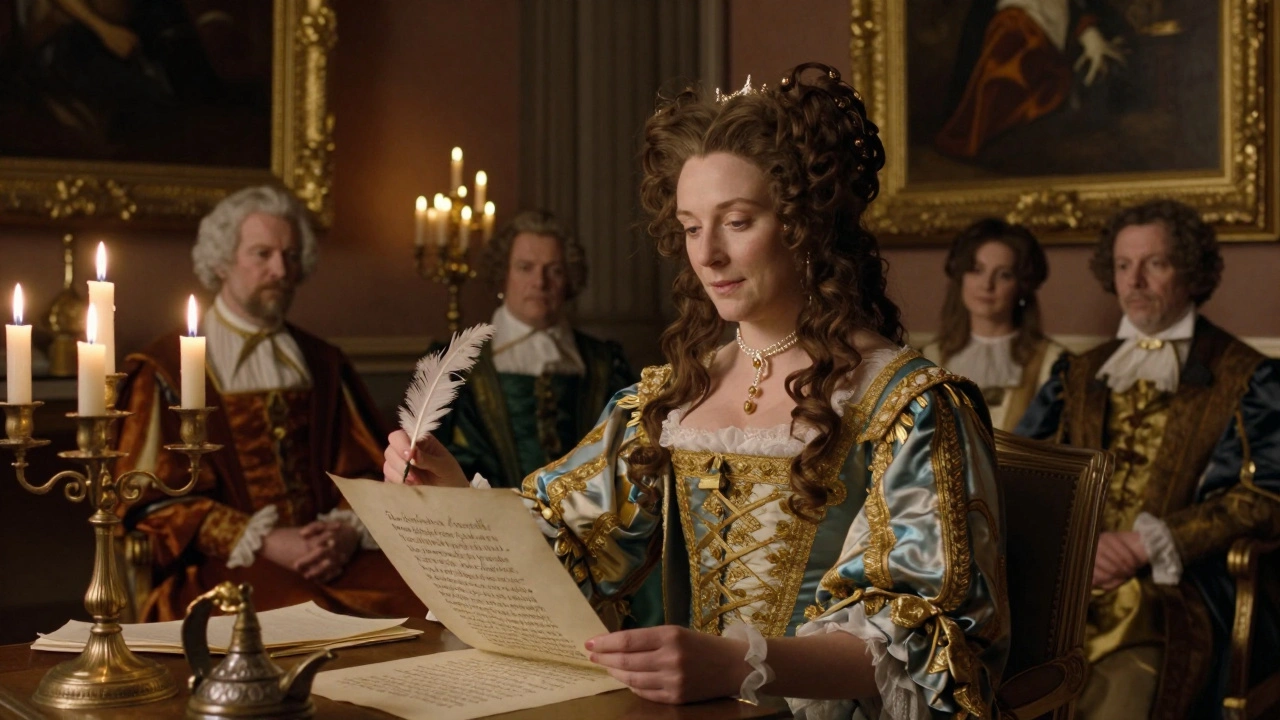
Curious about courtesan relationships? Whether you're exploring history, gender roles, or the blurred lines between affection and economics, this isn’t just about old-world seduction-it’s about power, survival, and human connection in a world that gave women few options.
What Exactly Was a Courtesan?
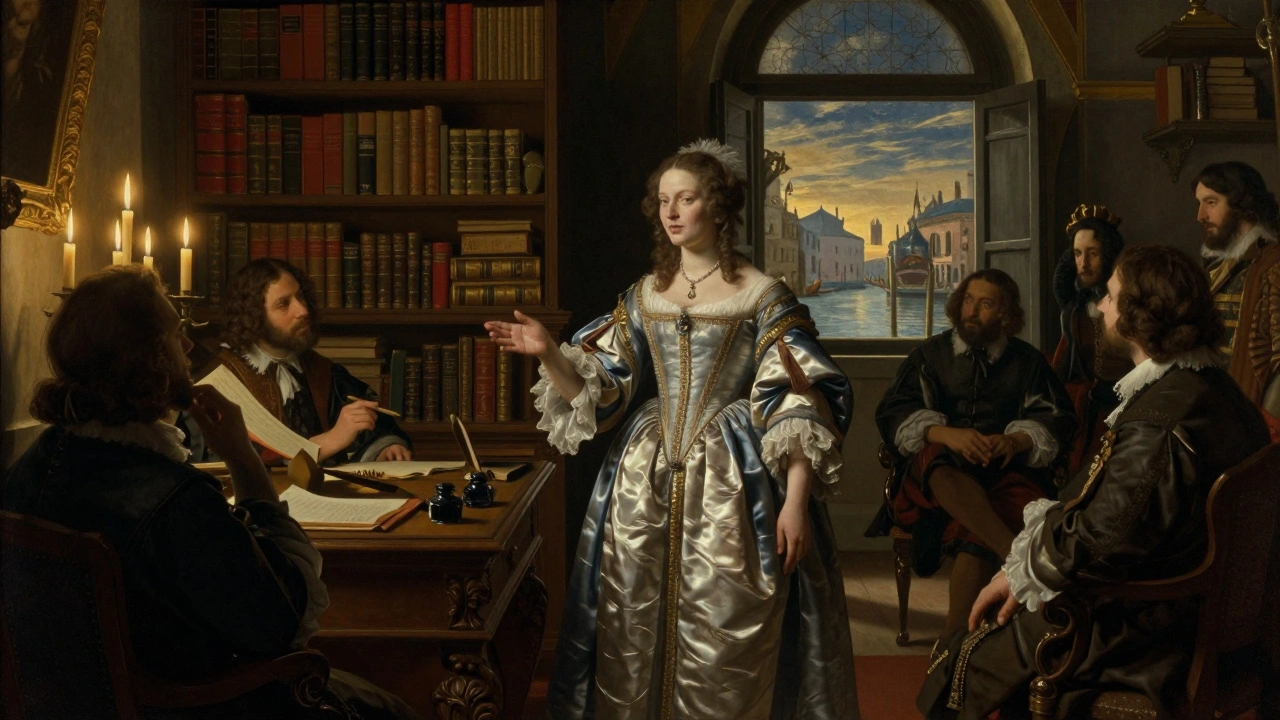
A courtesan wasn’t a prostitute. She was a highly educated woman-often trained in music, poetry, philosophy, and conversation-who formed long-term relationships with wealthy or powerful men. In Renaissance Italy, 18th-century France, and Edo-period Japan, courtesans moved in elite circles, hosted salons, and influenced politics and art.
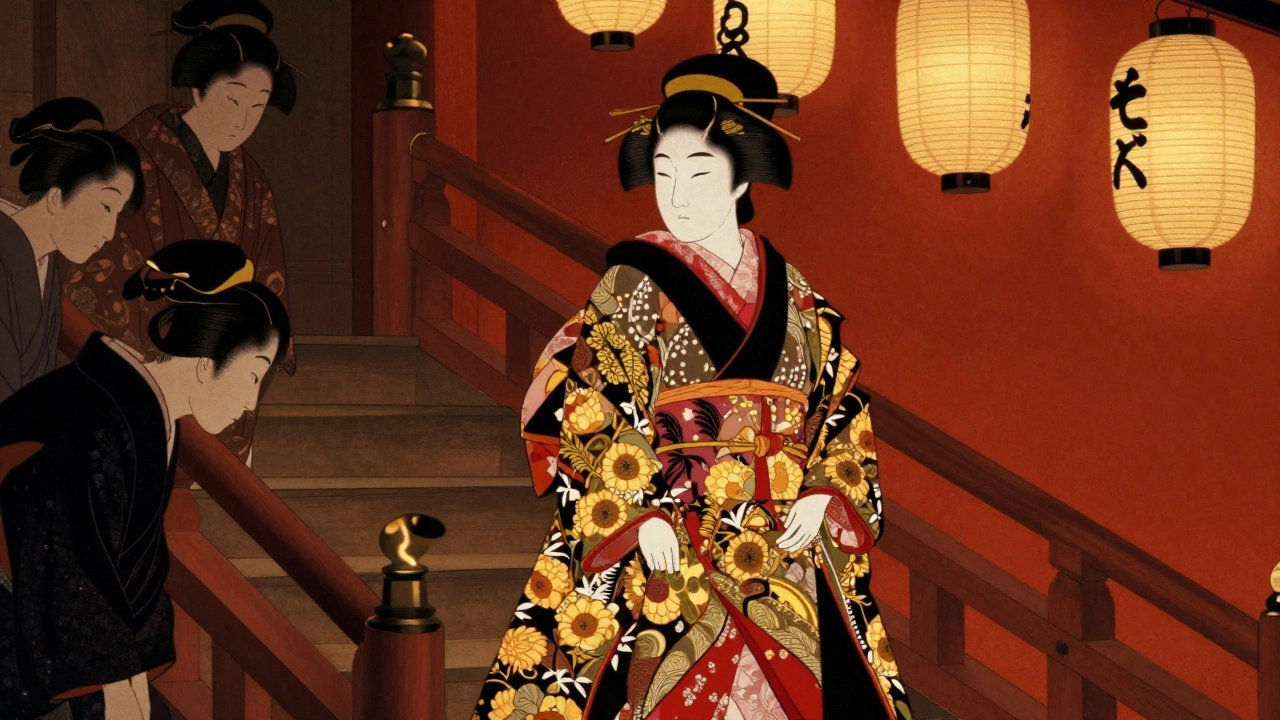
Think of them as cultural influencers with luxury contracts. Their value wasn’t just physical; it was intellectual and social. A courtesan like Veronica Franco in Venice wrote published poetry and defended herself in court. In Japan, oiran were ranked like celebrities, with elaborate rituals around their appointments.
Why Does It Matter Today?
Understanding courtesans challenges how we think about sex, money, and agency. Modern debates about sex work, transactional relationships, and emotional labor often ignore history. Courtesans weren’t victims-they were strategic actors navigating systems that offered women little else.
Today, people still pay for companionship, intellectual stimulation, and emotional presence. The difference? Courtesans had formal status, public recognition, and sometimes even inheritance rights. Their relationships were negotiated, not hidden.
How Did These Relationships Work?
- Contractual arrangements: Many courtesans signed formal agreements outlining financial support, housing, gifts, and exclusivity. In France, these were called contrats de maintien.
- Training and entry: Young women were often apprenticed to established courtesans. Skills in dance, etiquette, and conversation were drilled daily.
- Network building: Courtesans hosted gatherings that brought together artists, politicians, and thinkers. Their homes became power centers.
- Exit strategy: Successful courtesans often retired with pensions, property, or marriage to a nobleman. Some became patrons themselves.
Pros and Cons
| Pros | Cons |
|---|---|
| Financial independence rare for women at the time | Social stigma and isolation from family |
| Access to education, art, and politics | Dependence on a single patron’s favor |
| Potential for upward mobility-some married into nobility | High risk of disease, blackmail, or abandonment |
| Control over their bodies and schedules | Constant pressure to maintain beauty and charm |
When Was It Most Common?
Courtesan culture peaked between the 1500s and 1800s, especially in cities with strong merchant classes and weak aristocratic control. Venice, Paris, and Kyoto were hotspots. In Venice, courtesans outnumbered wives among the upper class by the late 16th century.
Their decline came with industrialization and changing moral codes. By the 1900s, the rise of mass media, women’s suffrage, and new economic opportunities made the courtesan model obsolete. But the pattern didn’t disappear-it just went underground.
Common Mistakes to Avoid
- Mixing courtesans with prostitutes: Prostitution was illegal, hidden, and low-status. Courtesans operated openly, with legal contracts and social standing. Confusing them erases their agency and complexity.
- Assuming all were exploited: Many courtesans chose this path because it offered more freedom than marriage or convent life. Their stories aren’t tragedies-they’re adaptations.
- Ignoring their influence: Courtesans shaped fashion, literature, and even revolutions. Madame de Pompadour influenced French foreign policy. Lola Montez swayed Bavarian politics. They weren’t just companions-they were players.
FAQ
Were courtesans considered respectable?
In their time, yes-among the elite. While the Church condemned them, nobles and merchants openly kept courtesans. Their respect came from wealth, culture, and connections, not virtue. They were scandalous, but also essential to high society.
Did any courtesans become wealthy?
Many did. Marie Duplessis, the inspiration for La Dame aux Camélias, earned enough to own a country house and fine jewelry. In Japan, top-ranking oiran earned more than samurai. Some retired with land, servants, and titles.
How were courtesans different from mistresses?
Mistresses were usually attached to married men and had no public role. Courtesans were independent, often had their own households, and were publicly recognized. A mistress might be hidden; a courtesan was invited to dinner.
Did courtesans have real emotional relationships?
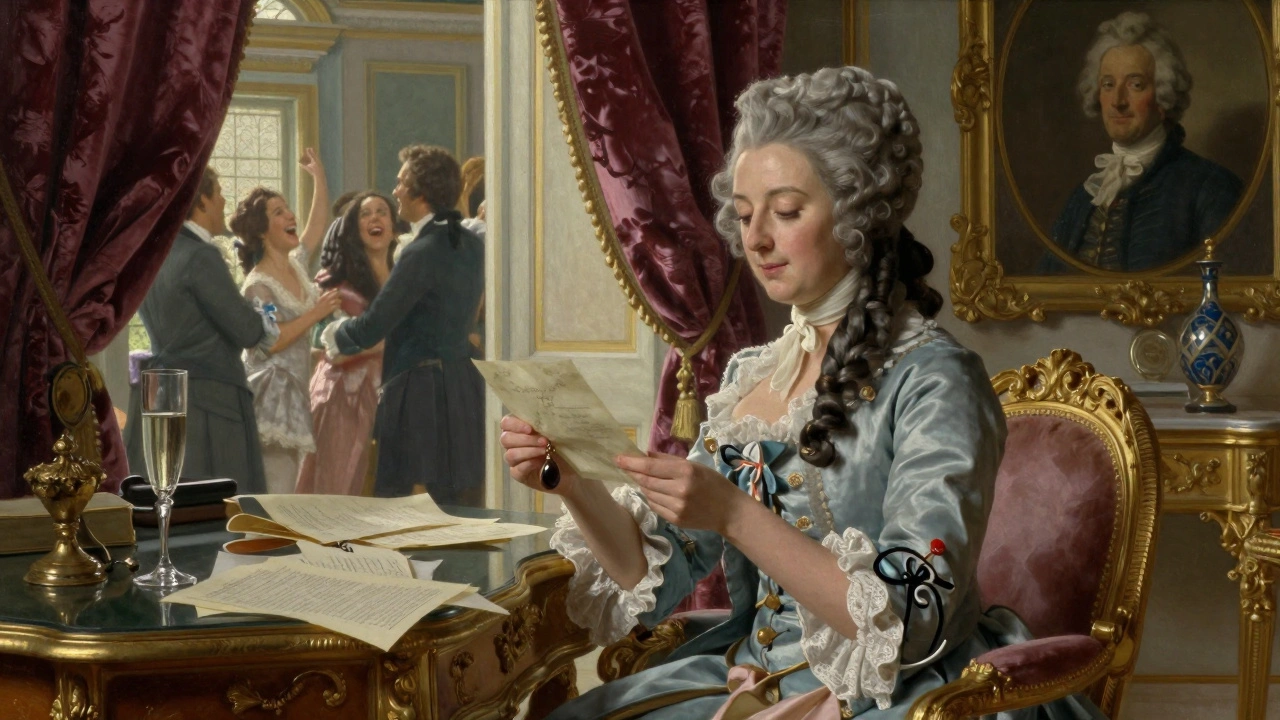
Sometimes. Letters and diaries show genuine affection, grief, and loyalty between courtesans and their patrons. But those feelings existed alongside financial agreements. Love and business weren’t opposites-they were layered.
Why don’t we see courtesans today?
Because women now have other paths to power: education, careers, legal rights. The modern equivalent isn’t a courtesan-it’s a high-end dating coach, a luxury concierge, or a social media influencer who monetizes intimacy. The structure changed; the need didn’t.
Can we call modern sugar relationships modern courtesanships?
Somewhat. Sugar relationships share the same core: financial support in exchange for companionship, often with emotional elements. But today’s arrangements lack the cultural prestige, training, and public recognition courtesans once had. They’re private, not performative.
What’s Next?
If you’re intrigued by how women navigated power in restrictive societies, look into the lives of Veronica Franco, Ninon de Lenclos, or Tsuruya Nanboku IV’s courtesan characters. Read their letters. Visit museums with courtesan portraits. The truth isn’t in novels-it’s in the contracts, the invoices, and the quiet defiance of women who turned survival into strategy.




Gerardo Pineda on 16 December 2025, AT 23:01 PM
This hit me right in the feels. I never thought about how these women had more control than most married women of the time. It’s wild to think they were basically early influencers with contracts and pensions. Someone had to do the emotional labor while also keeping a house full of poets and politicians happy. Respect.
Also, the fact that some wrote poetry and defended themselves in court? That’s next-level hustle. 🙌