

Curious about the courtesan art of seduction? It’s not about manipulation or deception-it’s about mastery of presence, conversation, and emotional intelligence. These women, from Renaissance Venice to Edo-era Japan, held power not through wealth or titles, but through their ability to connect deeply with the men around them. Their skills weren’t taught in books; they were lived, refined, and passed down through mentorship. Today, their legacy lives on in subtle ways-in how we listen, how we hold space, and how we make others feel truly seen.
What Is the Courtesan Art of Seduction Exactly?
The courtesan art of seduction is a refined system of social and emotional influence developed by highly educated women in pre-modern societies. Unlike prostitutes, courtesans were valued for their intellect, wit, and cultural fluency. They mastered music, poetry, philosophy, and diplomacy. Their seduction wasn’t physical first-it was intellectual, emotional, and psychological.
Think of them as elite conversationalists who could turn a dinner into a memory and a glance into a promise. They knew when to speak and when to stay silent. They understood the power of absence and the weight of a well-timed compliment. Their goal wasn’t just attraction-it was influence.
Why Does It Matter?
Today, people still chase the same thing courtesans mastered: authentic connection in a world full of noise. Whether you’re navigating dating, business, or personal relationships, the ability to make someone feel uniquely understood is rare-and valuable.
Courtesans didn’t rely on looks alone. They built loyalty through consistency, curiosity, and emotional precision. In an age of swipe culture and superficial interactions, their methods offer a blueprint for deeper, more meaningful relationships. You don’t need a corset or a palace to use their tools-you just need awareness.
How Does It Work?
- Master the art of listening-Courtesans noticed what wasn’t said. They remembered small details: a favorite tea, a childhood fear, a half-finished thought. This made people feel truly known.
- Control your presence-They weren’t always available. Their value rose with scarcity. Showing up unexpectedly, but never demanding attention, kept intrigue alive.
- Use silence as a weapon-A pause after a deep question was more powerful than a thousand words. Silence invited reflection-and made others fill the space with their own truths.
- Speak in metaphors, not commands-Instead of saying, “You should do this,” they’d say, “I once knew a man who tried that… and it changed everything.” Stories bypass resistance.
- Master the art of the exit-They left before the moment faded. Leaving on a high note ensured they were remembered, not forgotten.
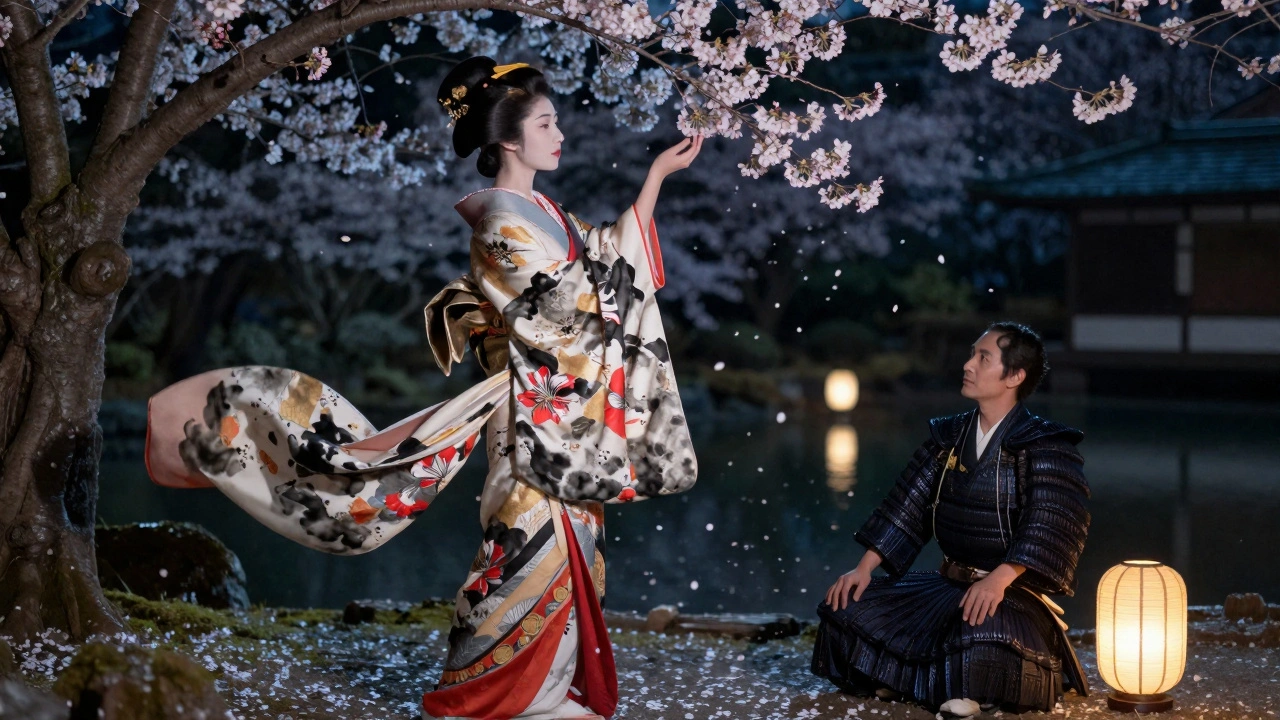
Pros and Cons
| Pros | Cons |
|---|---|
| Builds deep emotional bonds, not just physical ones | Requires emotional labor and high self-awareness |
| Creates lasting influence without coercion | Can be misused for manipulation if intentions aren’t ethical |
| Works across cultures and centuries | Not compatible with transactional or surface-level relationships |
| Empowers through confidence, not appearance | Takes years to refine-no quick fixes |
| Transfers well to modern contexts: dating, leadership, negotiation | Rarely taught openly; learned through observation and practice |
When Is It Most Useful?
This art shines when you want to create lasting impact, not just momentary attraction. It’s powerful in romantic relationships where chemistry fades but connection deepens. It works in business when you need to earn trust without a formal title. It’s essential in friendships where loyalty is built over time, not convenience.
It’s especially useful when you’re competing with noise-when everyone else is shouting. A quiet, thoughtful presence stands out. A person who remembers your coffee order, asks about your sister’s surgery, and doesn’t rush to fix your problems? That’s the courtesan effect.

Common Mistakes to Avoid
- Confusing charm with manipulation-Courtesans didn’t trick people. They revealed truths others ignored. If you’re using their techniques to control or deceive, you’re missing the point entirely. Their power came from authenticity, not trickery.
- Overdoing the mystery-Being unavailable is powerful. Being emotionally distant is not. Courtesans were deeply present when they chose to be. Don’t ghost to seem intriguing-be selective, not aloof.
- Ignoring your own needs-Many modern readers try to mimic courtesans to please others. But their strength came from self-possession. You can’t give what you don’t have. Know your worth before you try to elevate someone else’s.
- Trying to copy their style instead of their principles-Wearing silk gowns or quoting poetry won’t help if you don’t understand why they did it. Focus on the mindset, not the costume.
FAQ
Were courtesans just prostitutes with fancy titles?
No. While some courtesans did engage in sexual relationships, that was never their primary value. Their status came from education, influence, and cultural contribution. Many advised politicians, hosted salons, and commissioned art. In Venice, some owned property and managed their own finances-something most women couldn’t do.
Can men use courtesan techniques too?
Absolutely. The core principles-deep listening, emotional presence, controlled availability-are gender-neutral. Historical male equivalents existed: the French gentleman of leisure, the Japanese taikomochi entertainers, and the Ottoman çengi musicians. The art is about human connection, not gender.
Is this still relevant in the age of dating apps?
More than ever. Apps reward speed and surface traits. Courtesan skills work where apps fail: in building real intimacy. The person who remembers your birthday, asks how your project went, and doesn’t rush for a kiss? That’s the exception-and the one people remember.
Do I need to be rich or beautiful to use these techniques?
No. Beauty fades. Wealth fluctuates. What lasts is emotional intelligence. A courtesan’s power came from her mind, her timing, and her ability to make others feel special. You don’t need a palace-just attention, patience, and honesty.
Can these skills be learned, or are they innate?
They’re learned. Many courtesans were trained from childhood by mentors. Today, you can learn through observation, reading historical accounts, and practicing mindful communication. Start small: listen more than you speak. Remember one detail about someone each day. Notice how they respond.
What’s Next?
Start by observing-not copying. Watch how the most compelling people in your life hold space. How do they make others feel? What do they say-and what do they leave unsaid? Try one technique this week: say less, listen more, and leave before the conversation gets tired. You might be surprised at how much more people want to hear from you.




Lise Cartwright on 12 December 2025, AT 09:23 AM
ok but what if the courtesans were just brainwashed by patriarchy to sell their emotions like a product?? like i read this and i think... are we romanticizing slavery?? they had no choice, right?? i mean who lets a woman own property in venice unless its a trap??