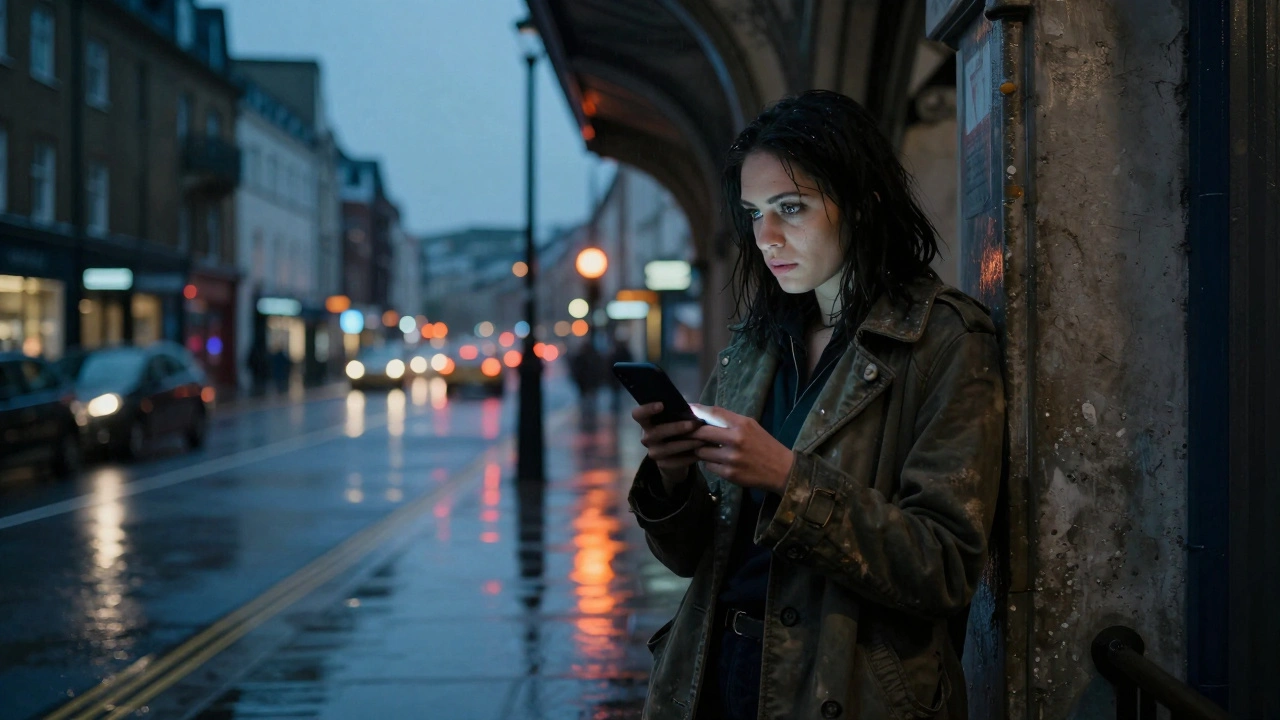

Curious about the moral dilemma of prostitution? Whether you're trying to understand why it's so controversial or just want to know how it affects real people, this isn't about judgment-it's about facts, context, and human experience.
What Is Prostitution Exactly?
Prostitution is the exchange of sexual services for money or goods. It’s not a single experience-it varies wildly depending on location, culture, and individual circumstances. Some people enter it by choice, others because of economic pressure, abuse, or lack of alternatives. In the UK, selling sex isn’t illegal, but related activities like brothel-keeping, soliciting in public, or pimping are. That creates a legal gray zone where workers are often left vulnerable.
Why Does It Matter?
This isn’t just a legal or political issue. It’s about survival, dignity, and power. Around 1 in 5 people in sex work say they entered because they had no other way to pay rent or feed their children. At the same time, studies show that criminalizing clients or sex workers doesn’t reduce harm-it pushes the trade underground, making it harder to report violence or access healthcare. The real question isn’t whether it’s right or wrong, but how we can protect people caught in this system.
How Does It Work?
- Some work independently, using online platforms to find clients and set their own terms.
- Others are controlled by pimps or trafficking rings, often under threats or debt.
- Many use mobile apps or social media to screen clients, avoid dangerous areas, and share safety tips.
- Legal frameworks vary: in some countries, only clients are punished (Nordic model); in others, both sides are criminalized; in places like the Netherlands, it’s fully regulated.

Pros and Cons
| Pros | Cons |
|---|---|
| Some workers report autonomy, higher pay than other low-skill jobs, and control over their schedules. | High risk of violence, stigma, mental health struggles, and lack of legal protection. |
| Decriminalization in some areas has led to fewer arrests and better access to healthcare. | Many enter due to poverty, trauma, or coercion-not choice. |
| Online platforms allow workers to screen clients and build reputations. | Algorithms can block or shadowban sex workers, cutting off income without warning. |
When Is It Most Useful?
It’s not about usefulness-it’s about survival. For some, it’s the only way to afford housing, medical care, or education for their kids. In places like New Zealand, where sex work is fully decriminalized, workers report feeling safer and more respected. In contrast, in countries where clients are jailed, sex workers often face more danger because they can’t report abuse without risking arrest themselves. The system doesn’t work when it treats people as criminals instead of people.

Common Mistakes to Avoid
- Assuming all sex workers are victims. Many are not. Blanket assumptions erase agency and make it harder to support those who actually need help.
- Believing criminalization keeps people safe. Evidence shows the opposite: arrests drive the trade underground, making exploitation easier and reporting harder.
- Ignoring intersectionality. Black, trans, migrant, and disabled sex workers face higher rates of violence and less access to support services.
FAQ
Frequently Asked Question 1
Is prostitution legal in the UK?
Selling sex is not illegal in the UK, but buying sex in a brothel, soliciting on the street, or pimping are. This creates a dangerous gap: workers can’t operate safely indoors without breaking the law, and they can’t report abuse without risking arrest.
Frequently Asked Question 2
Why do some countries punish clients instead of sex workers?
That’s called the Nordic model. It aims to reduce demand while protecting workers. Countries like Sweden and Norway report fewer trafficking cases and more access to social services for sex workers. But critics say it still pushes workers into riskier situations because they can’t openly advertise or screen clients.
Frequently Asked Question 3
Does decriminalization increase prostitution?
No. Studies from New Zealand and parts of Australia show decriminalization doesn’t lead to more people entering sex work-it just makes existing work safer. The number of people involved stays stable, but violence drops, and workers report better mental health and access to healthcare.
Frequently Asked Question 4
Can sex workers get help if they want to leave?
Yes-but only if services exist. In London, organizations like the English Collective of Prostitutes and SWARM offer housing, legal aid, and job training. But funding is inconsistent, and many workers don’t know where to turn. Support isn’t automatic-it needs political will and funding.
Frequently Asked Question 5
Is prostitution always exploitation?
No. While trafficking and coercion are real and serious, many sex workers say they chose this work for the flexibility, pay, or control. Dismissing all of them as victims ignores their lived experience and makes it harder to build real solutions. The goal should be choice-not elimination.
What’s Next?
If you want to understand this issue better, start by listening to sex workers themselves-not headlines or politicians. Organizations like the Global Network of Sex Work Projects and the English Collective of Prostitutes publish reports written by workers, for workers. Their voices are the clearest guide to what real change looks like.