

Curious about Escort Safety isa critical framework protecting professionals during client interactions through vetting, communication, and emergency planning.? Whether you're just starting out or refining your routine, keeping yourself secure is the number one priority. The stakes are high, but having a solid plan drastically reduces risks. This guide breaks down exactly how to stay safe in your daily work without sacrificing your peace of mind.
What Are the Core Safety Principles?
Safety starts before you ever agree to meet someone. It involves creating layers of protection around your identity and physical location. If you rely on just one method, you leave gaps that can be exploited quickly.
The three pillars are verification, control, and support. Verification means confirming who the client is. Control ensures you dictate the terms of the meeting. Support means having people who know where you are and when you expect to finish.
Many people ignore these basics because they feel rushed or want quick income. However, skipping these steps creates unnecessary danger. Prioritize these fundamentals every single time you book a date.
How Should You Vet a Client Before Meeting?
Vetting is your first line of defense against dangerous situations. Never skip the identity check, even if the client seems friendly initially. Look for red flags like vague details, refusal to video chat, or pressure to meet in unusual locations.
Request a video call to confirm their identity matches their profile or ID. This step prevents catfishing and gives you a chance to judge their behavior in real-time. If they refuse, treat it as a serious warning sign.
Client Vetting includesreviewing social media history, checking mutual connections, and verifying contact information consistency. A genuine client understands why you need this proof. Always trust your gut if something feels off during this process.
What Tools Help Protect Your Location?
You need technology that keeps your real address hidden until you are ready. Encrypted messaging apps like Signal or Threema are essential for this purpose. They allow you to share location data temporarily without revealing your home address permanently.
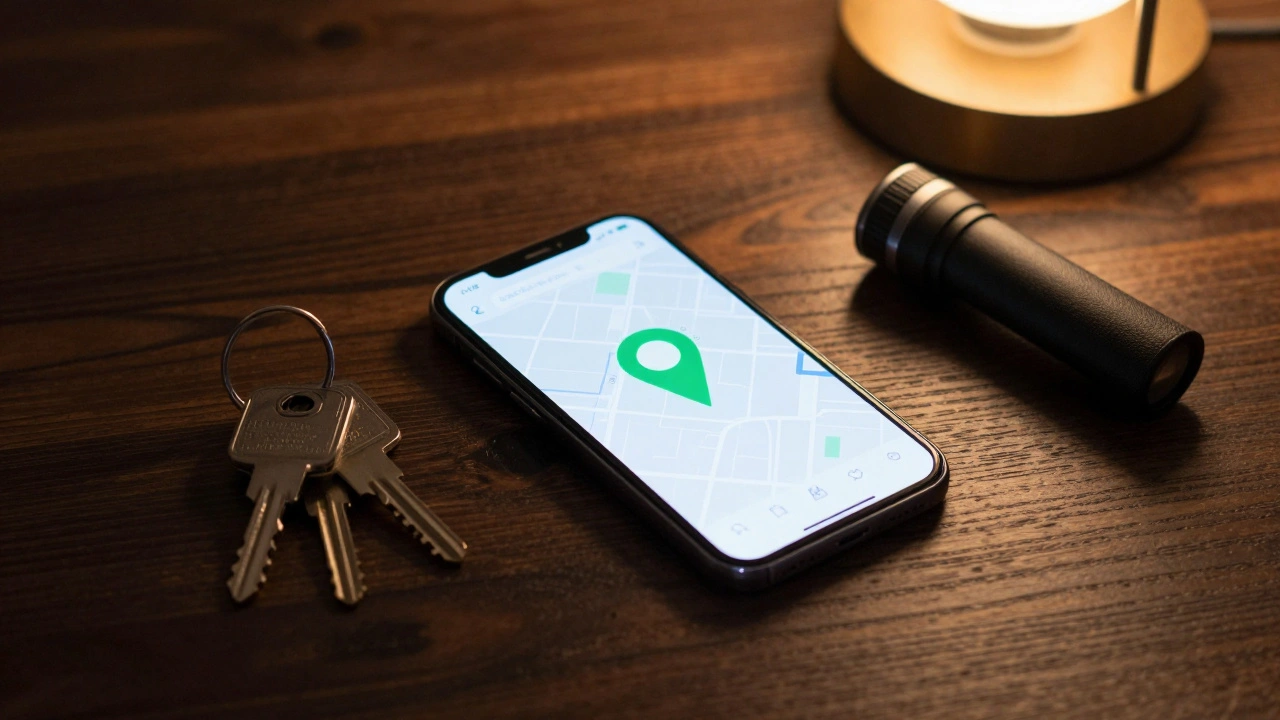
Use GPS sharing features built into these apps for duration-limited tracking. Share your live location with a trusted friend during the appointment. This ensures someone knows exactly where you are if you don't check in.
Avoid posting photos of your actual workspace on social media. Metadata in photos can sometimes reveal geolocation data. Strip this data using tools available on your phone settings before uploading anywhere public.
Why Is Communication Crucial During Booking?
Clear boundaries set expectations and reduce the chance of misunderstanding. Miscommunication often leads to confrontations. Being explicit about rules beforehand saves you from awkward or unsafe moments later.
Risk Assessment meansevaluating potential threats based on client behavior, payment methods, and environment factors. Discuss payment methods clearly. Cash transactions are fine, but avoid large amounts that draw attention. Digital payments leave trails, so use them cautiously.
Establish a Safe Word isa predetermined phrase signaling distress to friends monitoring your status.. If you send that message, your contacts know to call the police immediately. This protocol requires practice to ensure everyone understands the signal.
Pros and Cons of Different Booking Methods
| Channel Type | Benefits | Risks |
|---|---|---|
| Independent Websites | Higher rates, direct control | More exposure to vetting tasks |
| Agency Managed | Vetting handled by staff | Lower earnings, less autonomy |
| Social Media DMs | Easy access, quick replies | Privacy leakage, scam prevalence |
Choosing the right channel depends on your comfort level. Independent work pays better but requires you to manage all security protocols personally. Agency work offers some buffer but limits your schedule freedom.
Social media is convenient but risky due to algorithm leaks. Be mindful of what links appear in your bio. Always keep a separate account for work to protect your private life from scrutiny.
When Should You Call the Police?
Knowing when law enforcement is necessary is vital. Some threats escalate quickly and require immediate professional intervention. Wait too long, and you lose the ability to stop the situation effectively.
If a client refuses to leave after payment issues or threatens violence, dial emergency services immediately. In the UK, 999 is the number for emergencies. Have your location ready to give them.
Don't worry about admitting past activities. Police focus on the immediate threat. Preserving your life outweighs concerns about legal consequences related to your profession in most emergency contexts.
Common Mistakes to Avoid
- Meeting new clients at your home address always increases vulnerability to stalking and forced entry.
- Sharing financial details exposes you to harassment and doxxing from scammers.
- Ignoring intuition usually leads to preventable conflicts; trust your instincts early.
- Failing to have a backup plan leaves you stranded if things go wrong unexpectedly.
- Neglecting health screening puts you at risk of transmission and long-term illness.
Each mistake stems from trying to save time or money. However, the cost of ignoring these rules far exceeds any lost income. Plan ahead so you never have to compromise safety for speed.

How Can Technology Enhance Privacy?
Digital hygiene is as important as physical safety. Your phone tracks your movement and connects your identity to your work. Securing this data prevents unauthorized access.
Use password managers to generate unique passwords for work accounts. Enable two-factor authentication everywhere possible. This stops hackers from taking over your profiles.
Consider buying a second phone dedicated solely to work. This separates your private photos and contacts from your professional communications. It makes recovery much easier if a device is lost or stolen.
What Is the Role of Community Support?
Working alone can isolate you from help. Building a network of peers provides resources and shared intelligence about bad actors. Community warnings can save others from harm.
Join forums or groups where members alert each other to scams or violent individuals. These platforms often share blacklists that help you vet clients faster.
Support Networks offeremotional backing and practical advice tailored to the specific challenges of the trade. Never hesitate to reach out if you feel overwhelmed. Collective knowledge is stronger than individual experience.
Is it safe to share my real name with clients?
No, using a pseudonym is strongly recommended. Using your legal name can lead to identification by family or employers. Keep your professional identity completely separate.
How do I handle a client requesting excessive services?
Set clear limits beforehand and stick to them firmly. If they push boundaries, end the session immediately. Do not negotiate safety or consent.
What if a client threatens to report me?
Remain calm and document the interaction. Extortion attempts are criminal offenses. Consult legal aid organizations specializing in adult workers rights for guidance.
Should I meet clients at hotels or private homes?
Hotel rooms offer some anonymity and security personnel. Private homes carry higher risks unless verified extensively. Public spaces are safer for first meetings.
How often should I review my safety protocols?
Review them monthly or whenever a close call occurs. Update contact info for your emergency check-in partner regularly. Technology and threats evolve constantly.
What’s Next?
Implementing these changes takes time and discipline. Start small by securing your digital footprint today. Then move to testing your emergency protocols with a friend.
Your safety defines your longevity in this field. By adopting these essential safety strategies, you protect your future and your well-being. Stay vigilant, stay connected, and prioritize yourself above all else.