

Curious about what it’s really like for escort girls to face stigma every day? Whether you’re trying to understand their experiences or questioning your own assumptions, these are the unfiltered voices of women who’ve lived it-and survived it.
What Does Stigma Actually Look Like for Escort Girls?
Stigma isn’t just rude comments or judgmental glances. It’s being turned away from a doctor’s office because they’re an escort. It’s losing custody of a child because a social worker found their profile. It’s family members cutting contact after finding out. One woman in Manchester told me she hadn’t spoken to her sister in three years-not because of anything she’d done, but because her sister couldn’t separate the job from the person.
Even online, the stigma follows. Platforms ban accounts without warning. Banks freeze funds. Landlords refuse to rent. These aren’t edge cases. They’re daily realities for women who work independently, often without legal protections or support networks.
Why Does It Matter?
This isn’t about whether you agree with sex work. It’s about human dignity. When society labels people as ‘bad’ or ‘broken’ for doing a job, it removes their right to safety, healthcare, and basic respect. Studies from the University of Bristol show that escorts who face high levels of stigma are three times more likely to experience violence and less likely to report it.
And here’s the twist: the women who speak out aren’t asking for pity. They’re asking for recognition-that they’re not defined by their work, that they’re mothers, artists, students, and entrepreneurs who happen to offer companionship for pay. Ignoring that reality doesn’t make the stigma go away. It just makes it worse.
How Do They Overcome It?
- Building community-Women form private networks, often through encrypted apps, to share resources, legal advice, and emotional support. One group in London meets monthly in a rented flat to cook dinner and talk without fear.
- Reclaiming language-Many avoid the word ‘prostitute’ and use ‘escort’ or ‘independent worker.’ Words matter. ‘Escort’ implies choice. ‘Prostitute’ implies shame.
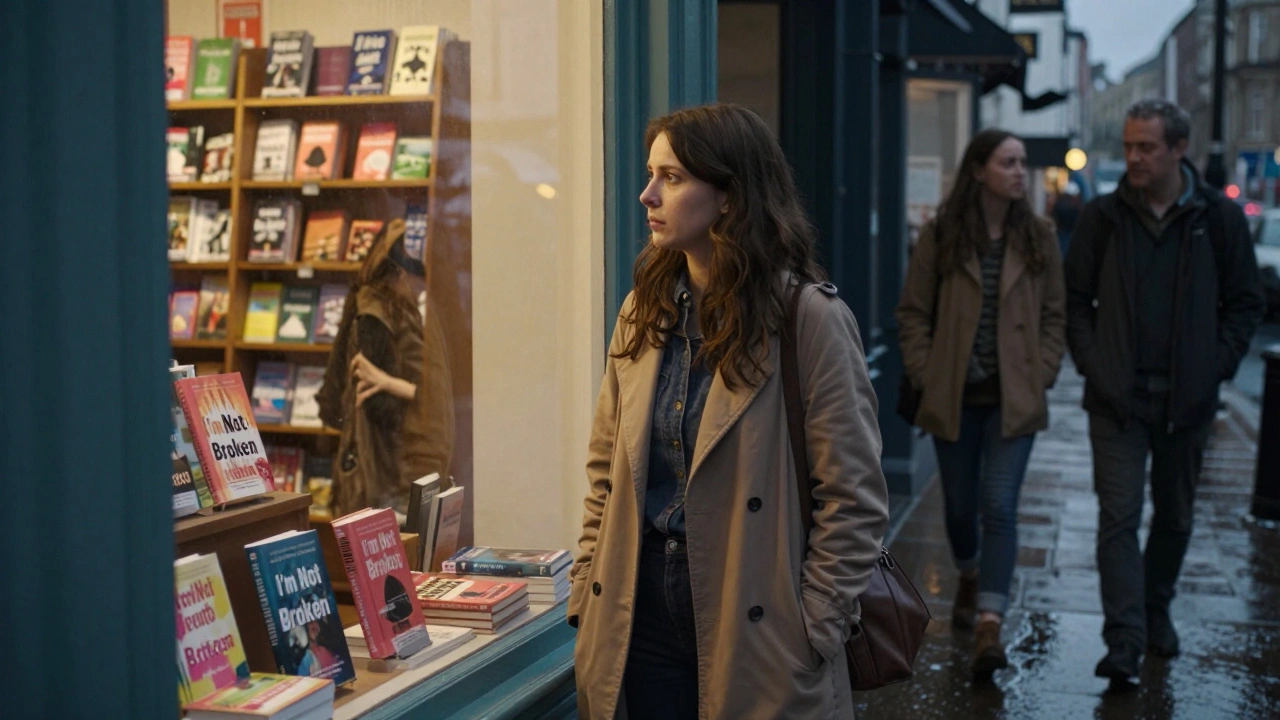
- Going public-Some, like Jess from Brighton, started blogs or podcasts to share their stories. One post went viral: ‘I’m not broken. I’m just tired of being lied to.’
- Therapy and peer coaching-Organizations like the English Collective of Prostitutes offer free counseling. It’s not about ‘fixing’ them-it’s about helping them cope with a world that won’t let them be whole.
Pros and Cons
| Pros | Cons |
|---|---|
| Greater control over working conditions | Legal vulnerability-no protection under employment law |
| Higher earnings than many low-wage jobs | Difficulty accessing banking, housing, healthcare |
| Freedom to set boundaries and choose clients | Social isolation from family and friends |
| Opportunity to build personal brands and side businesses | Constant fear of exposure or doxxing |
| Strong peer support networks form naturally | Media misrepresentation fuels public misunderstanding |
When Is It Most Useful to Listen to Their Stories?
When you’re making policy decisions-like whether to criminalize clients or decriminalize sex work. When you’re hiring someone and assume their past defines their character. When you’re raising kids and teaching them about respect, consent, and judgment.
It’s also useful when you’re scrolling through social media and see a post calling someone ‘trash’ for being an escort. That’s the moment to pause. Ask yourself: Do I know their story? Or am I just repeating what I’ve been told?

Common Mistakes to Avoid
- Assuming all escort girls are victims-Many choose this work for autonomy, flexibility, or income. Treating them as helpless erases their agency. The real issue isn’t exploitation-it’s lack of rights.
- Using their stories for clickbait-Media outlets often sensationalize without consent. Real change doesn’t come from viral videos. It comes from listening without an agenda.
- Believing stigma will disappear if they ‘get a real job’-The problem isn’t their job. It’s society’s refusal to see them as full human beings. Even if they switch careers, the label sticks.
- Thinking silence protects them-Staying quiet doesn’t shield them from harm. It isolates them. Speaking up, even anonymously, helps others feel less alone.
FAQ
Are escort girls forced into this work?
Some are, but many aren’t. A 2024 study by the London School of Economics found that 68% of independent escorts in the UK entered the work voluntarily-for financial freedom, flexible hours, or because other jobs didn’t pay enough to support their families. Coercion exists, but it’s not the norm. Generalizing all of them as victims does more harm than good.
Why don’t they just quit and get a regular job?
Many have. Some work in retail, nursing, or freelancing while still escorting part-time. Others left after saving enough to start a business. But the barriers are real: employers check background checks that include unrelated convictions. Banks reject applications. Landlords say no. It’s not that they can’t find another job-it’s that the system makes it harder to start over.
Is it safe to work as an escort today?
Safety depends on how you work. Those who screen clients, meet in public first, and use peer networks report fewer incidents. Those who work alone, under pressure, or without support face higher risks. The biggest danger isn’t clients-it’s the lack of legal protection. If something goes wrong, calling the police can mean losing everything.
Do escort girls ever regret their choice?
Some do. But not because they did the work. They regret the stigma, the loneliness, the fear of being found out. One woman in Leeds said, ‘I don’t regret being an escort. I regret that I had to hide it from my own daughter.’ The regret isn’t for the job-it’s for the world that made her feel she had to lie.
How can I support escort girls without being performative?
Don’t post about them online unless they’ve given explicit permission. Don’t call them ‘brave’-that implies their existence is extraordinary. Instead, support organizations that fight for their legal rights. Donate to groups like the English Collective of Prostitutes. Challenge your own biases. And if someone tells you they’re an escort? Listen. Don’t judge. Don’t fix. Just be human.
What’s Next?
Start by listening. Not to headlines. Not to documentaries made by outsiders. Listen to the women themselves-through podcasts, blogs, or community events. Their voices aren’t loud, but they’re there. And they’re waiting for someone to finally hear them.






Ashley Williams on 1 December 2025, AT 17:27 PM
Just wanted to say this post made me rethink everything I thought I knew. I used to assume people in this line of work were trapped-but hearing how they build communities, reclaim language, and fight for dignity? That’s power. No pity needed. Just respect.
My mom used to say, ‘Don’t judge a book by its cover.’ Turns out, she was right. I’m gonna do better.